
Bui Hai Son
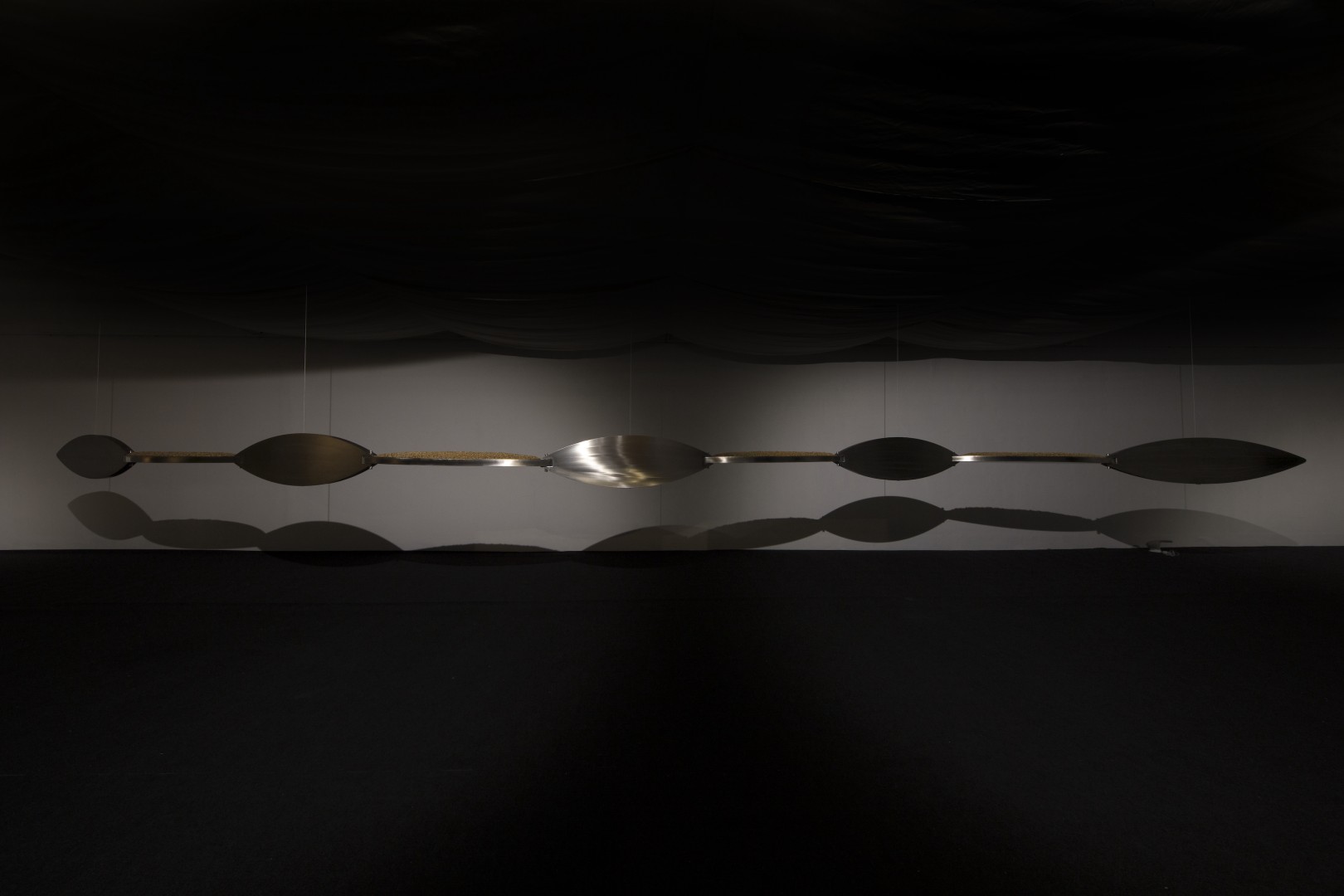
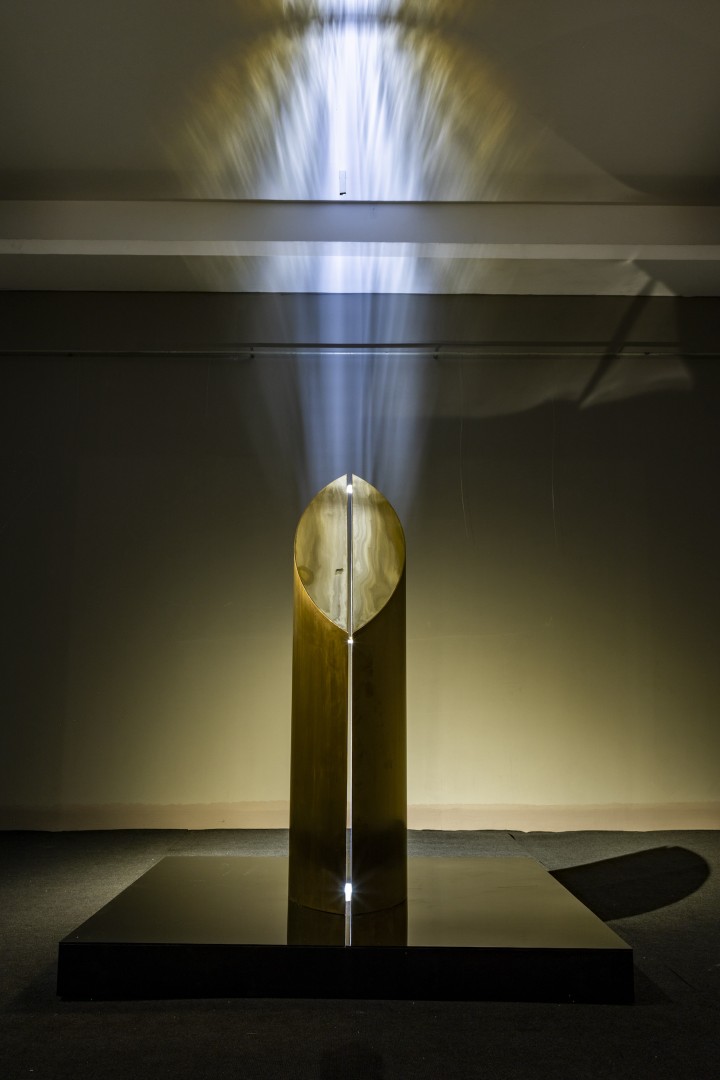
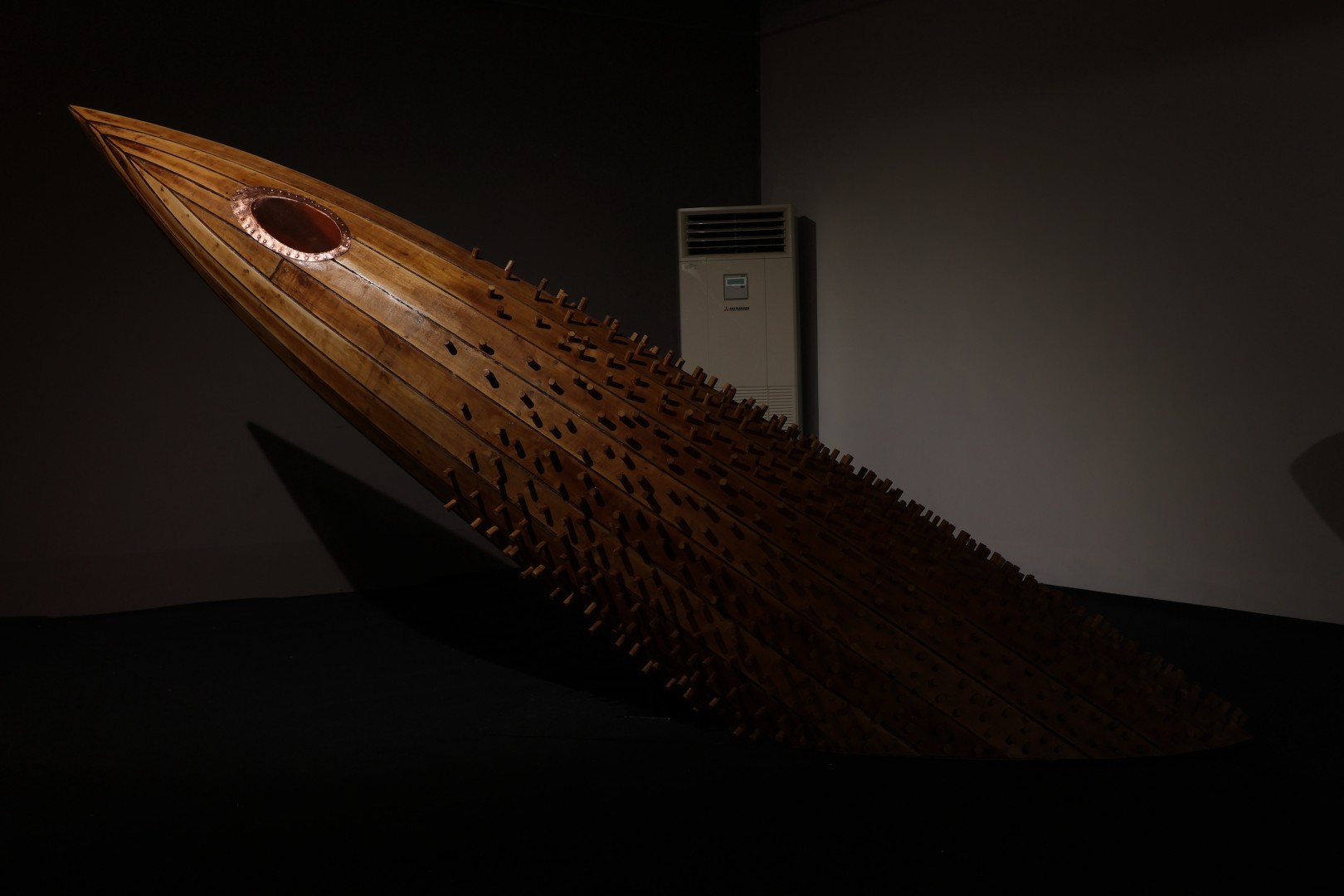
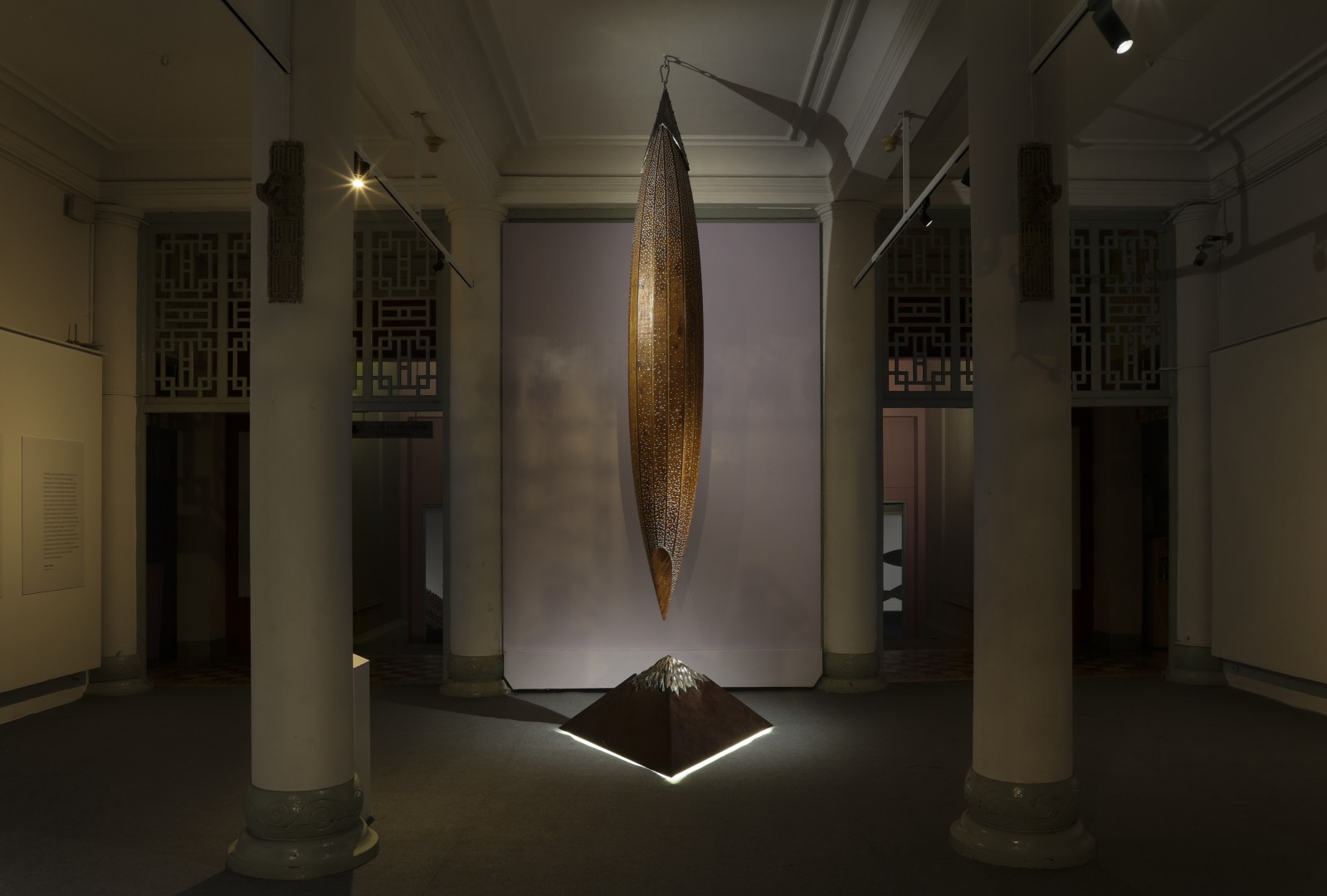
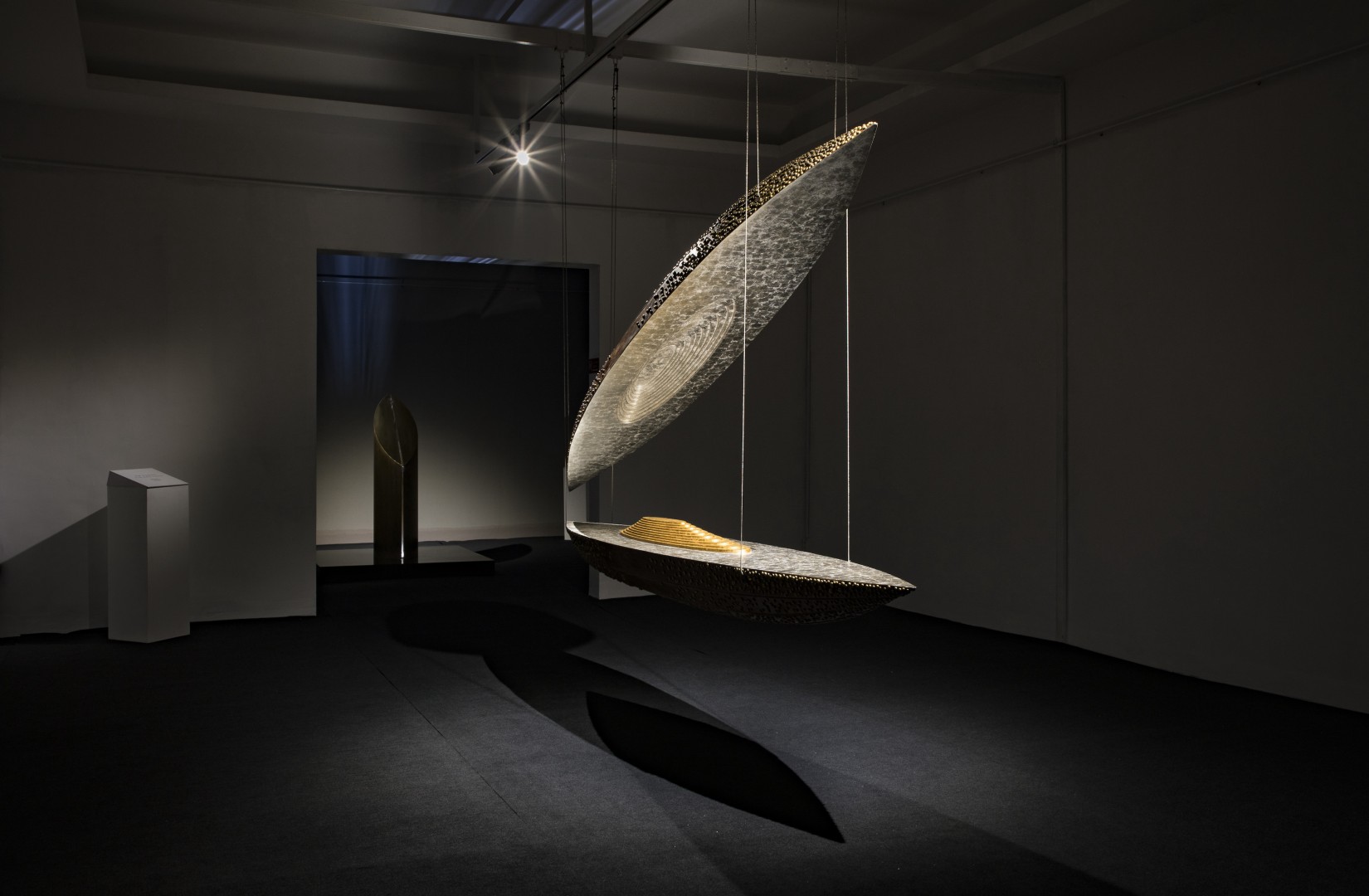
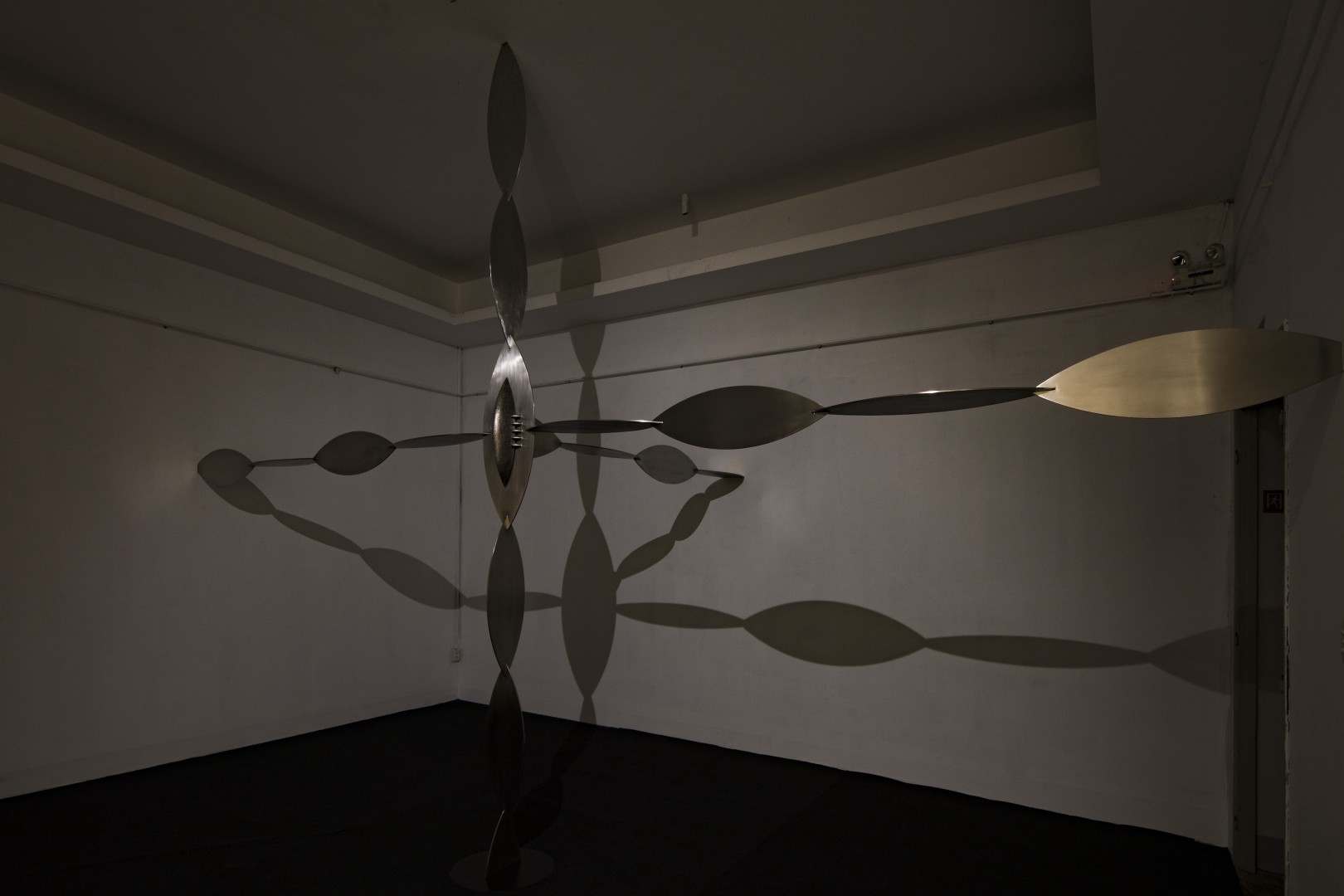
Bui Hai Son (b. 1957, Vietnam) graduated from the Ho Chi Minh City University of Fine Arts in 1987. Steeped in symbolism, his sculptures possess a monumental presence, serving as a poetic ode to the life of the Mekong Delta where he’s originally from and its perpetual cycles. Emerging during a transitional period in Vietnamese sculpture, when modernist experimentation intersected with the lingering influence of Socialist Realism, Hai Son developed a distinctly personal sculptural language that harmonizes material precision with spiritual depth.
Mastering metal as his primary medium, Hai Son’s artistic endeavors, coupled with his roles as an educator in the arts since the early 2000s, have cemented his position as one of the most respected figures in contemporary Vietnamese sculpture, particularly in Ho Chi Minh City, where he lives and works.
Bui Hai Son’s works have been featured in numerous group exhibitions and residencies across Vietnam, South Korea, and Japan. His sculptures are housed in private collections as well as prestigious institutions, including the Fine Arts Museum Hanoi, the HCMC Fine Arts Museum, the Takanabe Museum (Miyazaki, Japan), and Besan Park (Iksan, South Korea).
Studio Visit with Bui Hai Son
In this interview, Bui Hai Son explores the journey of shaping and expanding his sculptural language through experiences related to identity, homeland, memory, symbolism, and materials. For Bui Hai Son, sculpture is not only a harmonization of form, matter, and space but also carries the potential to become a socially inclusive practice. This belief has enabled the artist to sustain his career over several decades, collaborating with diverse artisans and forging connections between sculpture, architecture, and light. Using the imagery of rice grains as a visual thread throughout his works, Bui Hai Son believes that interdisciplinary and multi-material connections form the foundation for sculpture that resonates with the flow of contemporary art while also paying homage to local cultural heritage.
This video is part of a series of interviews by Nguyễn Art Foundation.