
Le Cong Thanh
Le Cong Thanh (1932–2019, Vietnam) stands among the pioneering figures of modern Vietnamese sculpture. A graduate of the renowned “To Ngoc Van class” (1955–1957) – the Democratic Republic of Vietnam’s first Revolutionary Fine Arts Training Course – and later of the inaugural Sculpture program at the Vietnam University of Fine Arts (1957–1962), he belonged to the generation that laid the foundation for a new national art after independence.
In 1962, Le Cong Thanh began teaching at the Intermediate School for Industrial Arts (later renamed the Industrial Arts College in 1965), where he not only trained a new wave of artists but also met his lifelong partner – painter Nguyen Kim Thai – with whom he shared a mutual devotion to beauty and truth in art. Between 1968 and 1970, his internship at the Surikov Arts Academy in Moscow deepened his sculptural language, refining his sensitivity to movement, anatomy, and material integrity.
After 1975, Le Cong Thanh left his teaching position to pursue independent creative work. In recognition of his artistic contributions, he received numerous state honors, including the Order of Labor, First Class, the Order of Resistance against the US and National Salvation, First Class, and the Medal for Contribution to the Cause of Vietnamese Literature and Arts.
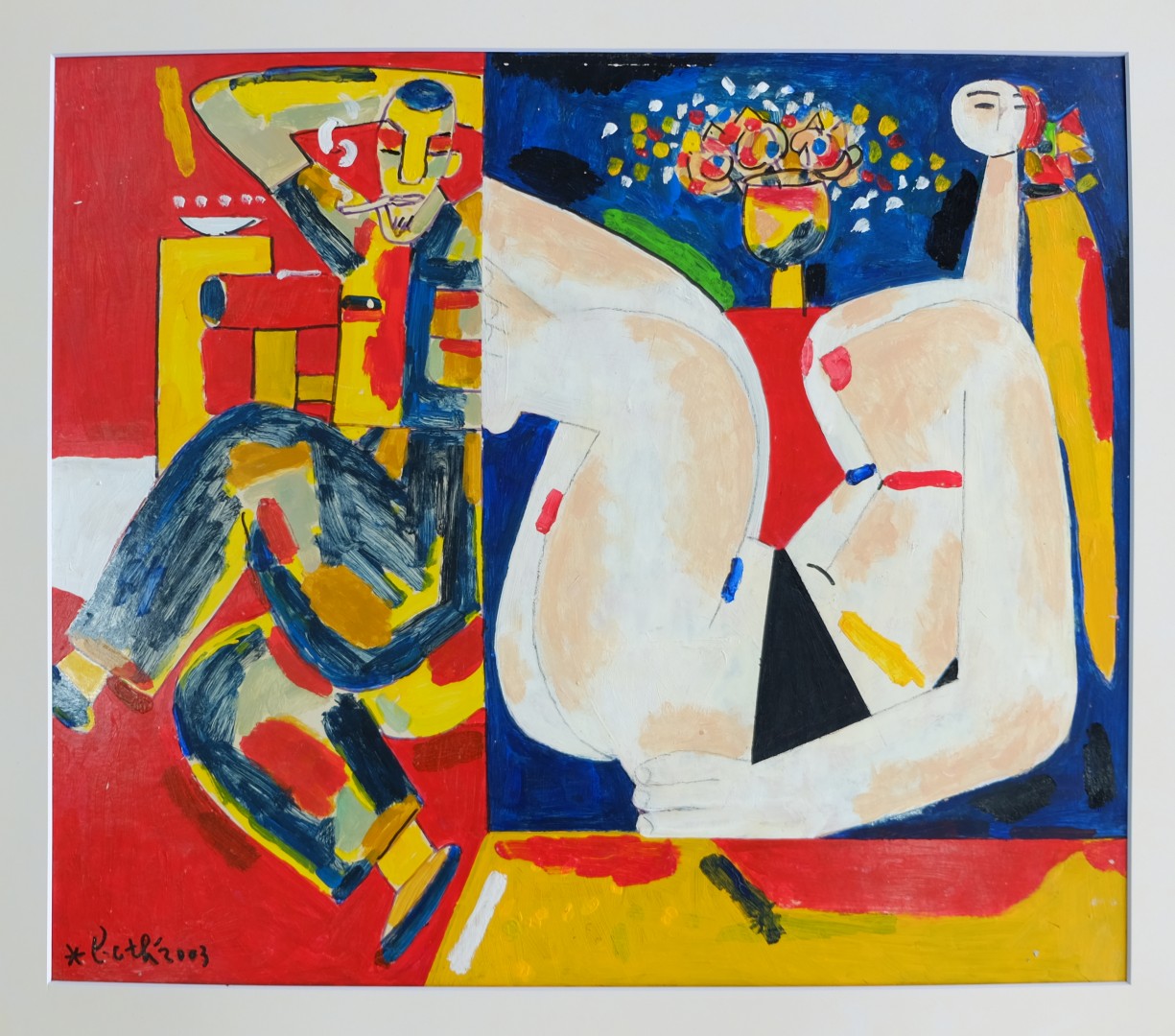
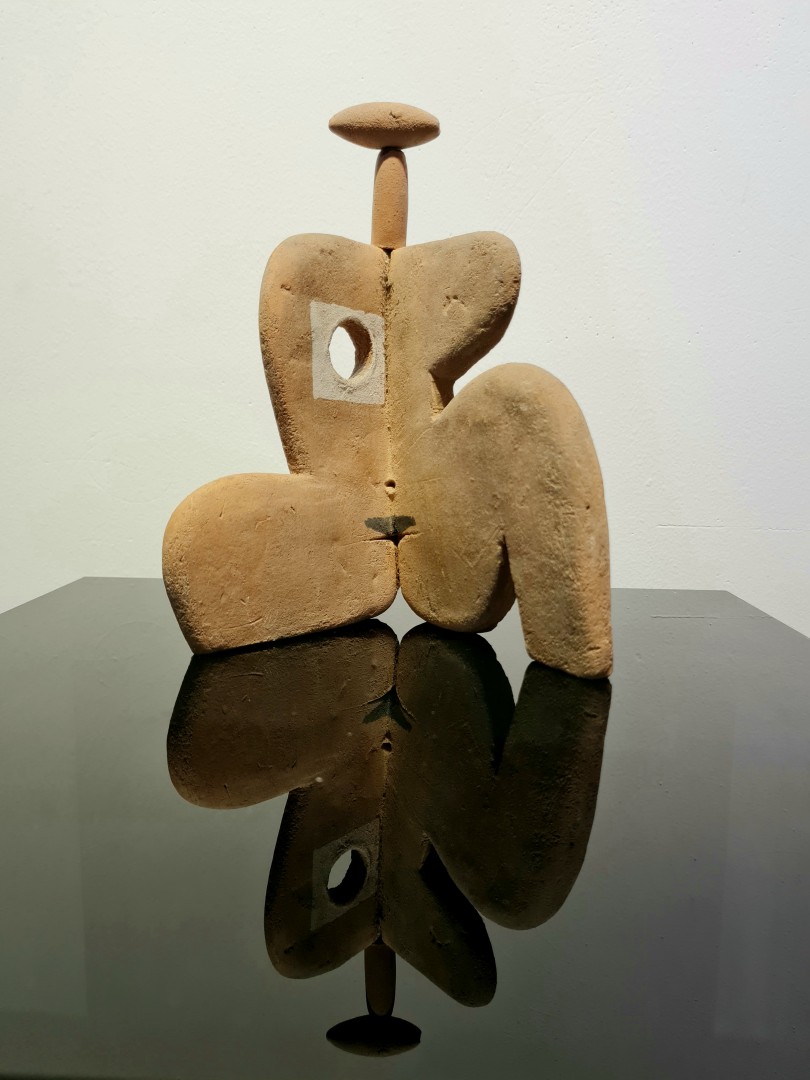
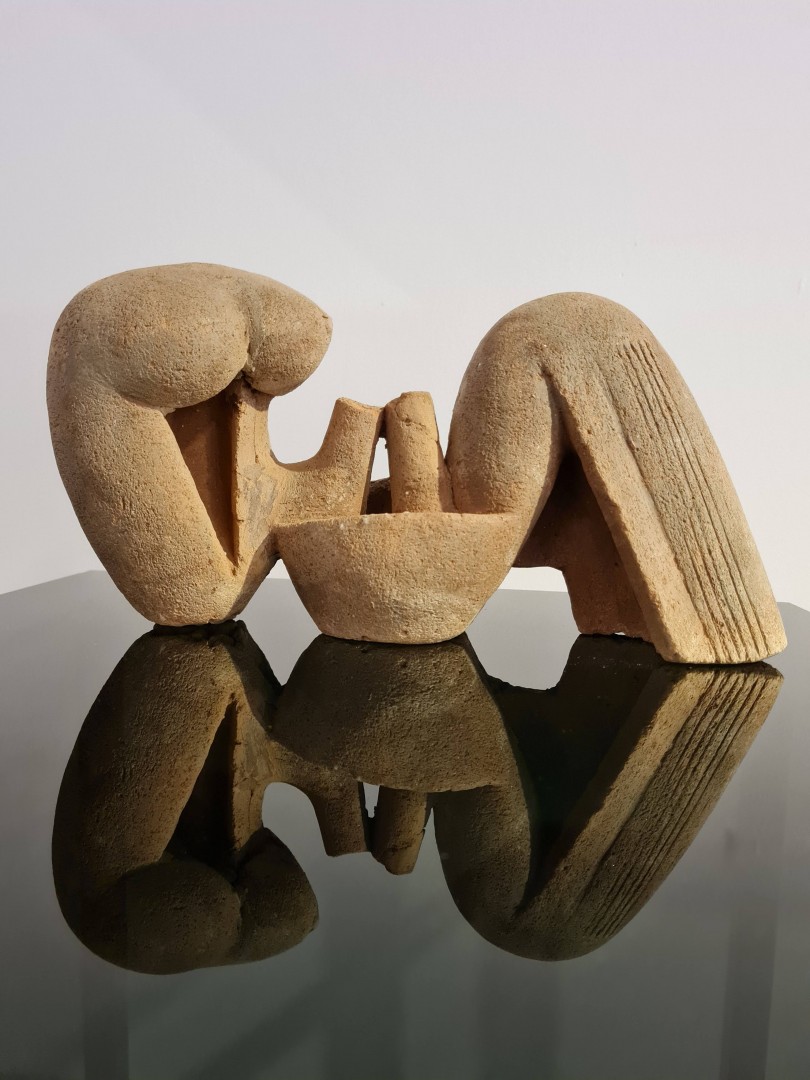
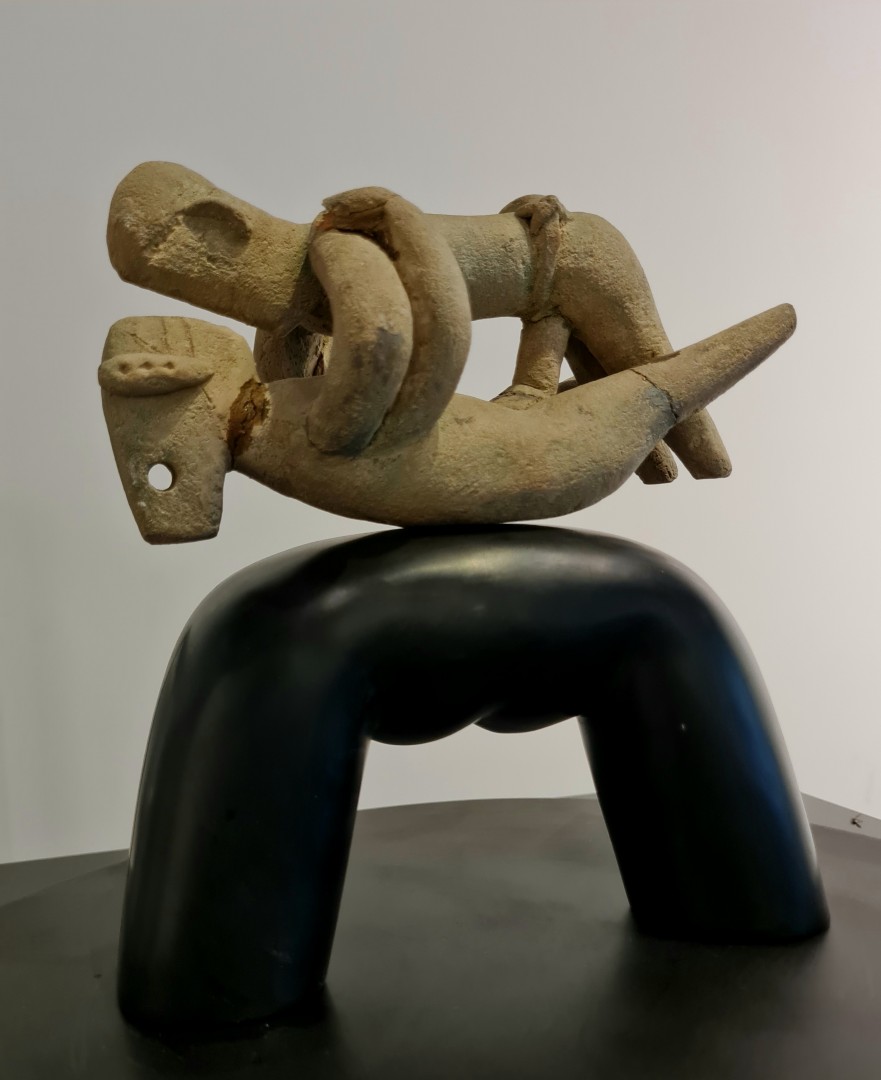
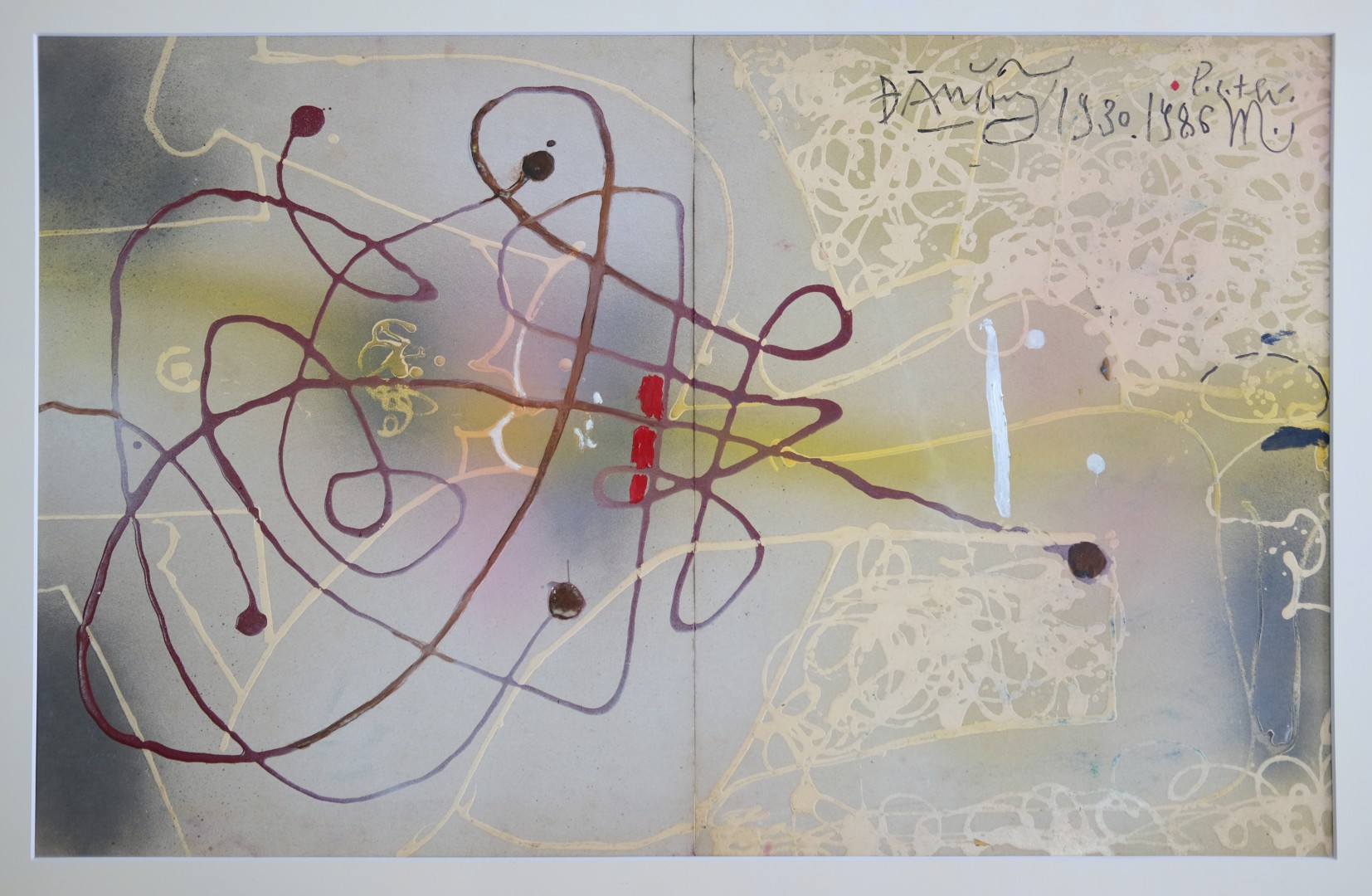
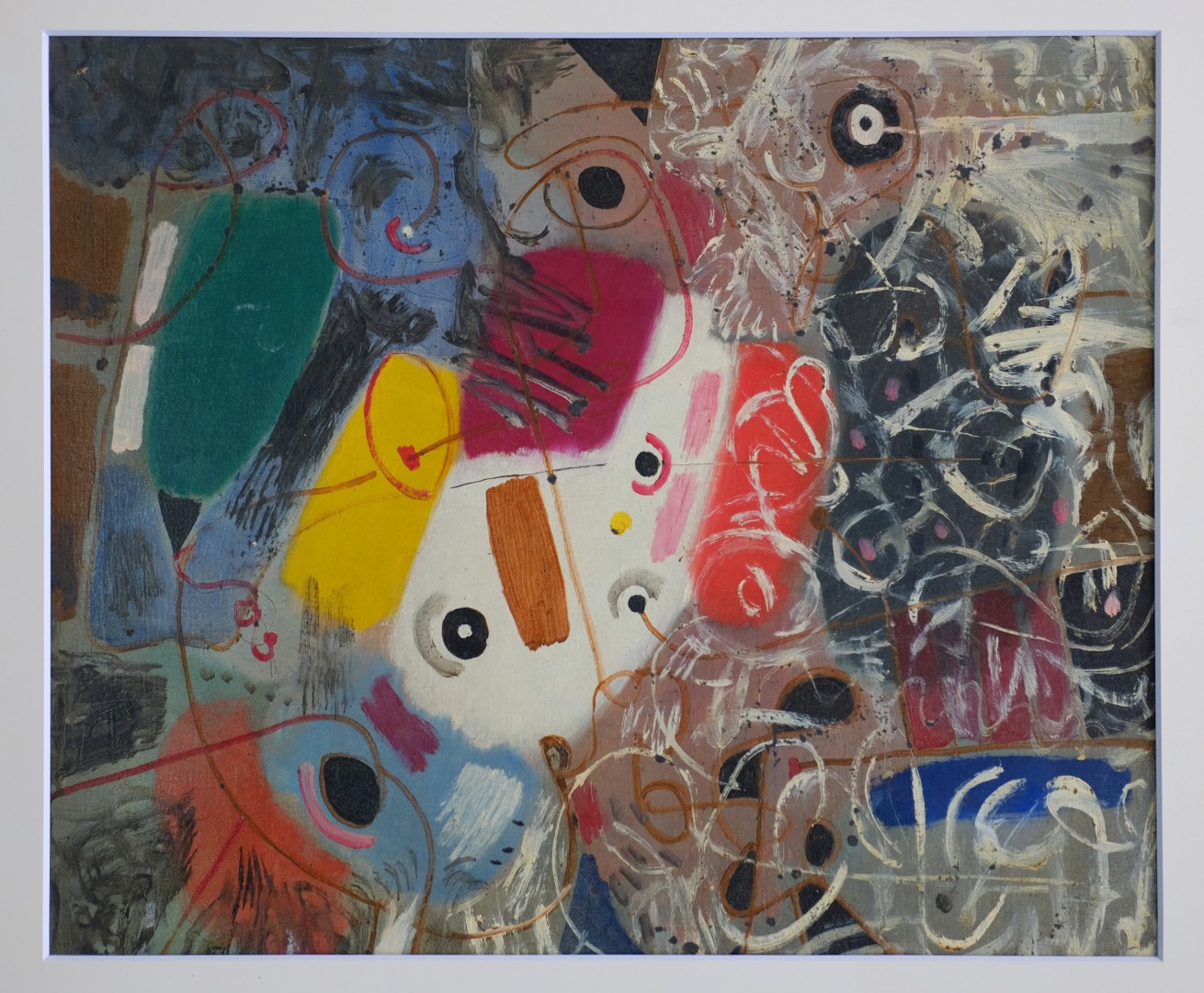
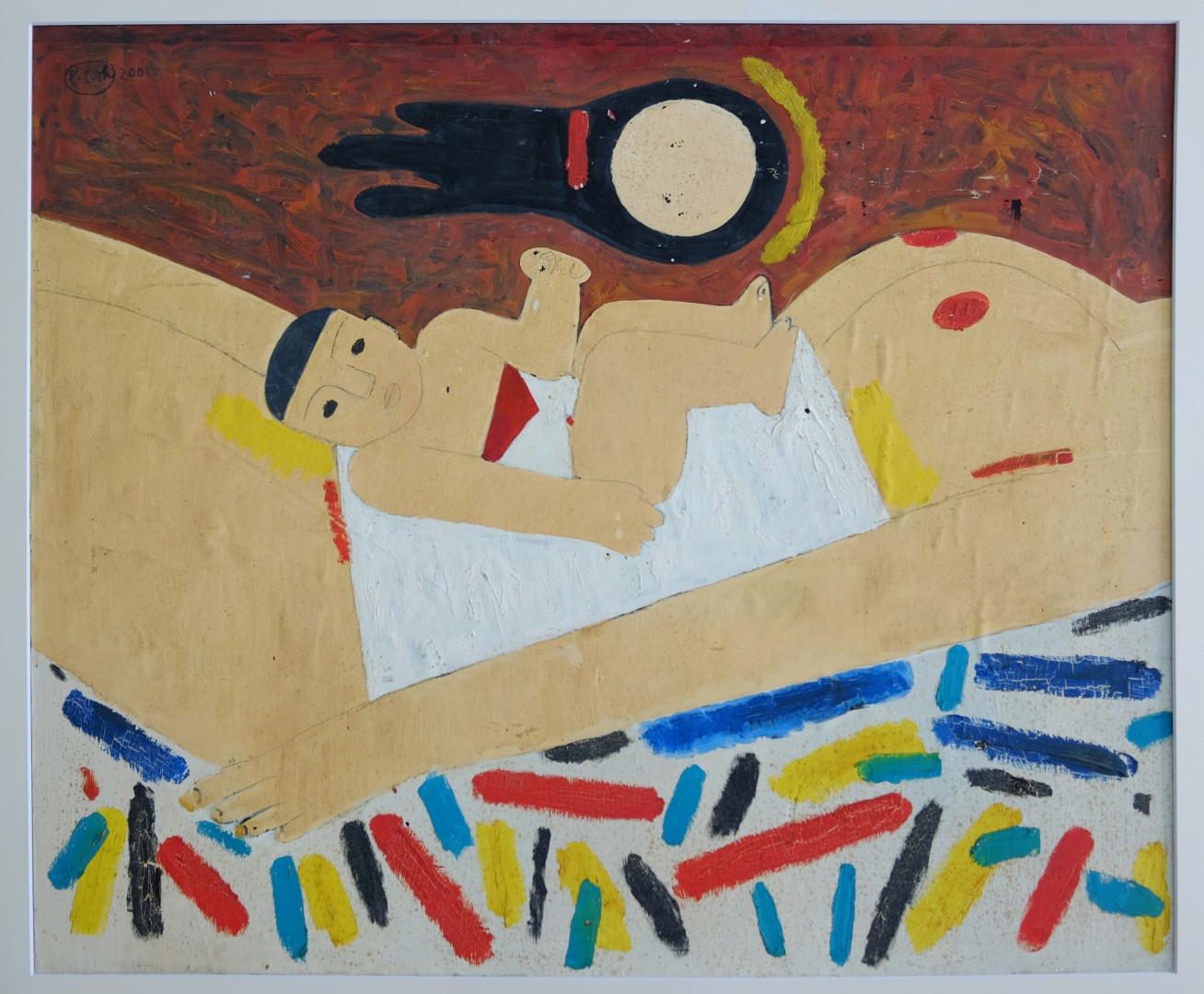
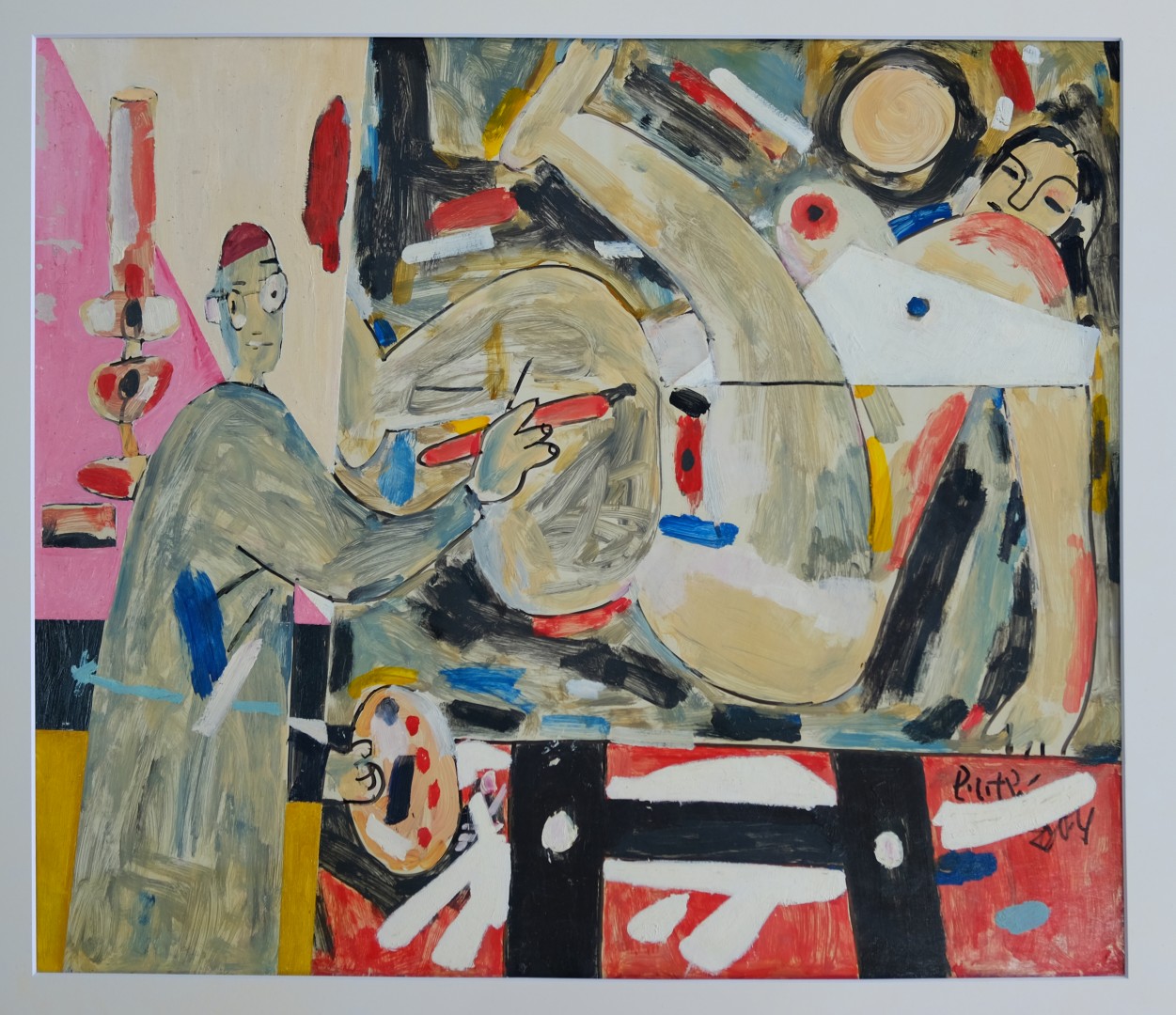
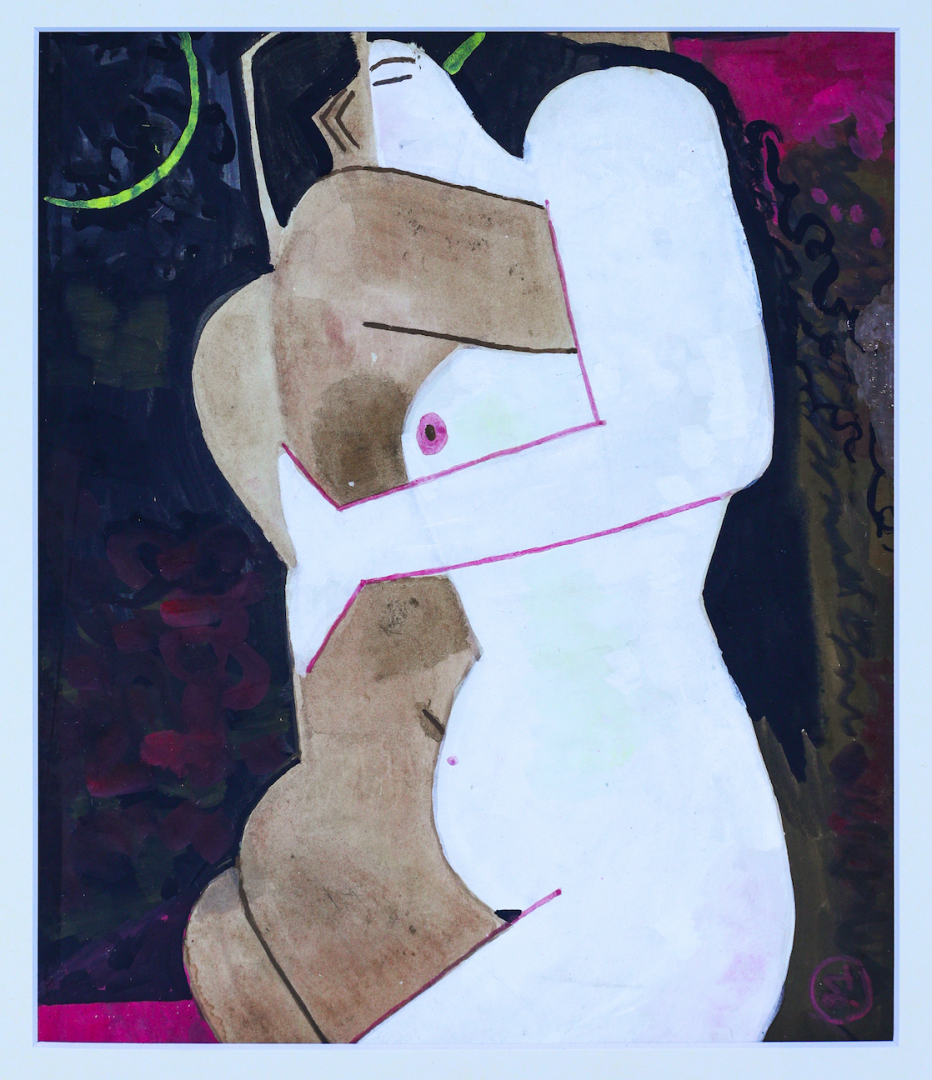
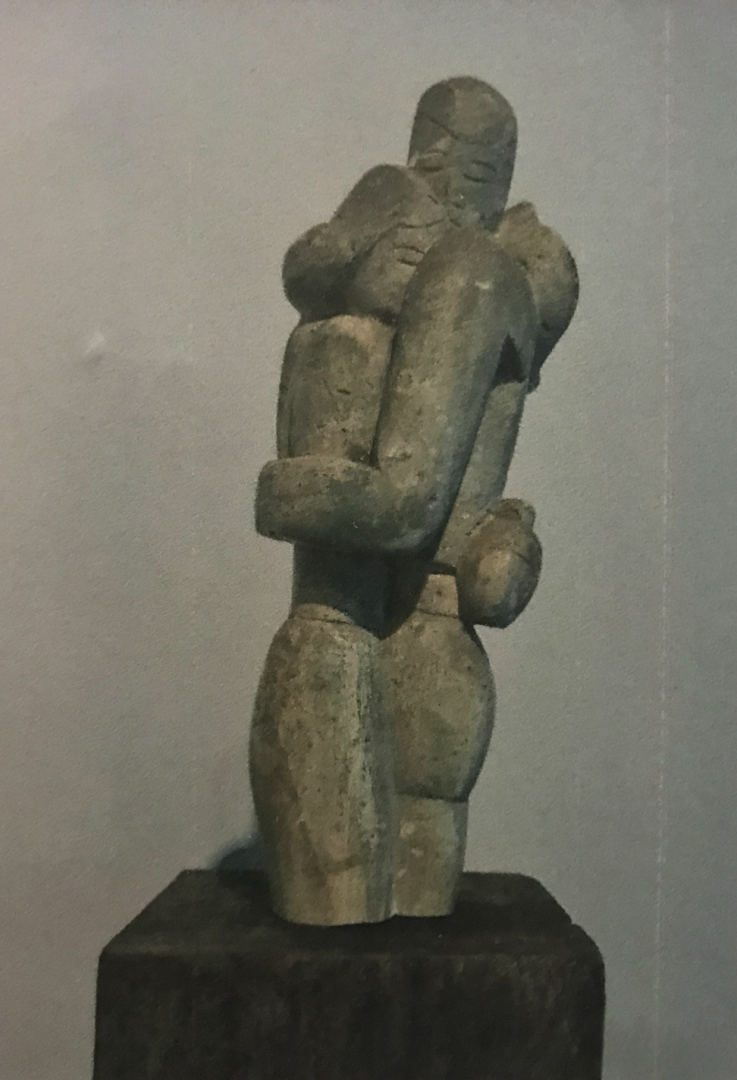
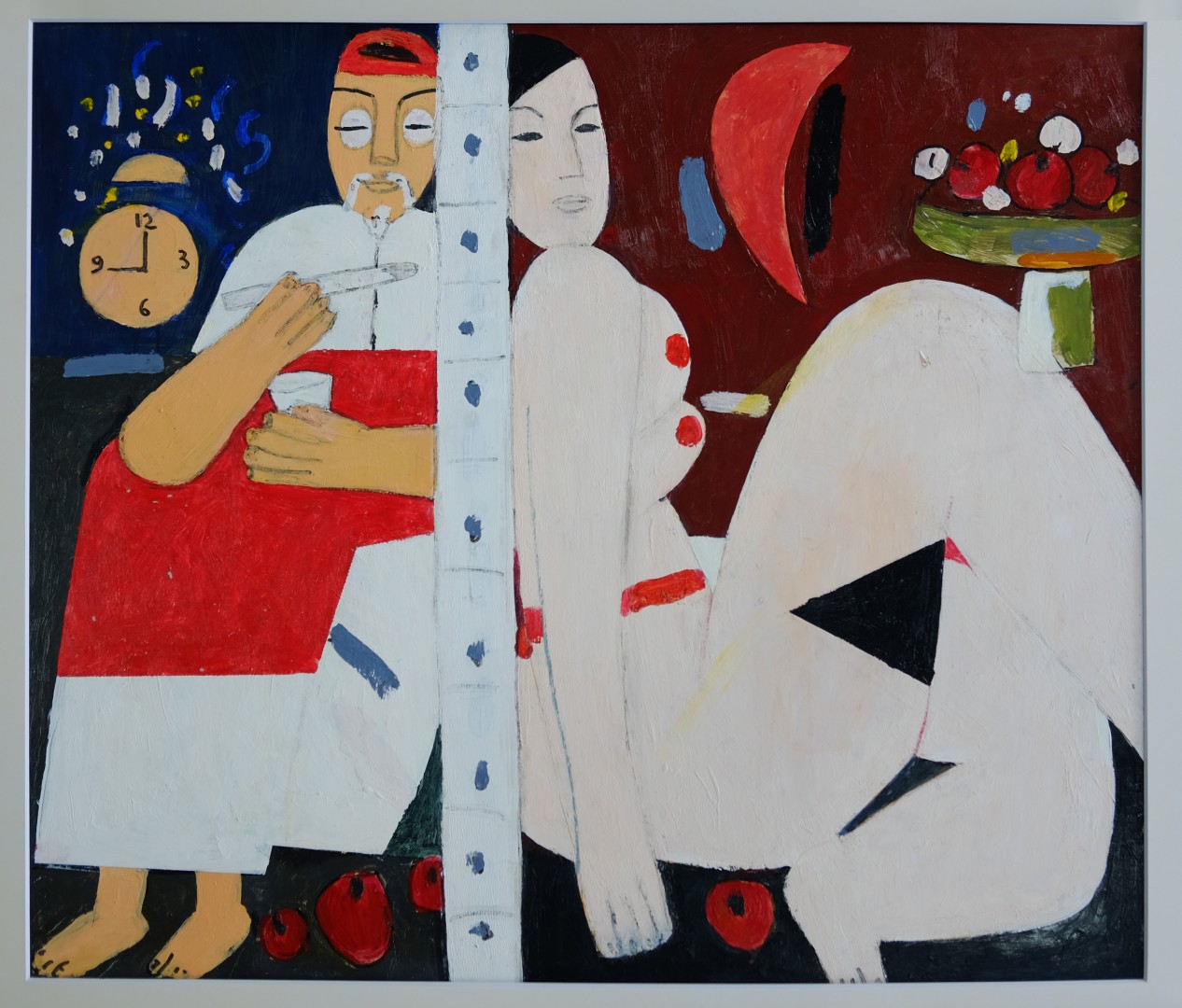
Over a career spanning more than half a century, Le Cong Thanh built an extensive body of work across both sculpture and painting. His lifelong commitment to exploring the harmony between form, movement, and human spirit has secured his place as one of Vietnam’s most influential sculptors.