Le Cong Thanh
-
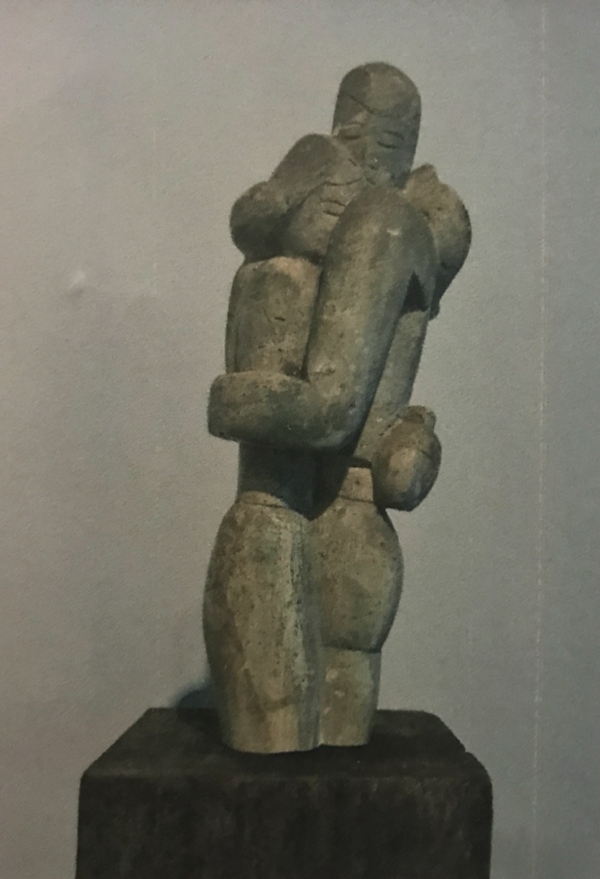
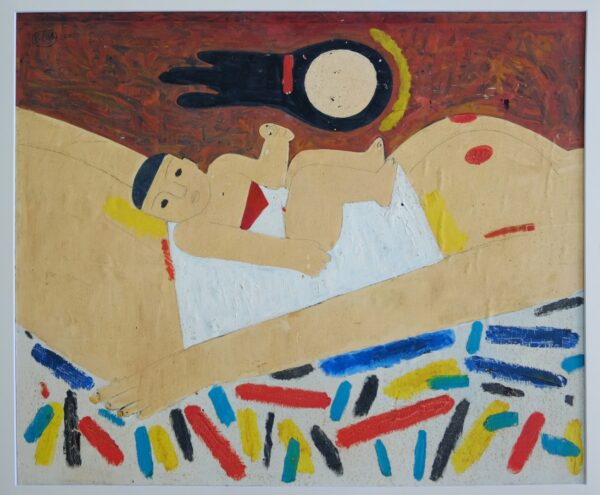
Mother and child

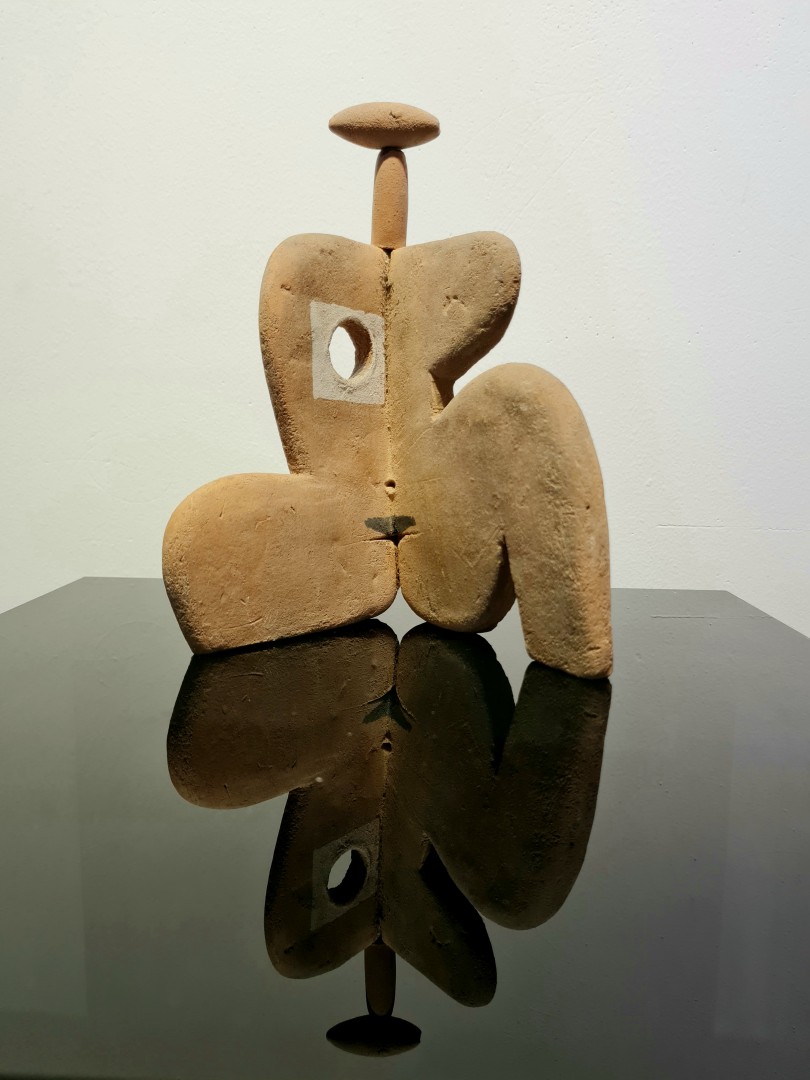
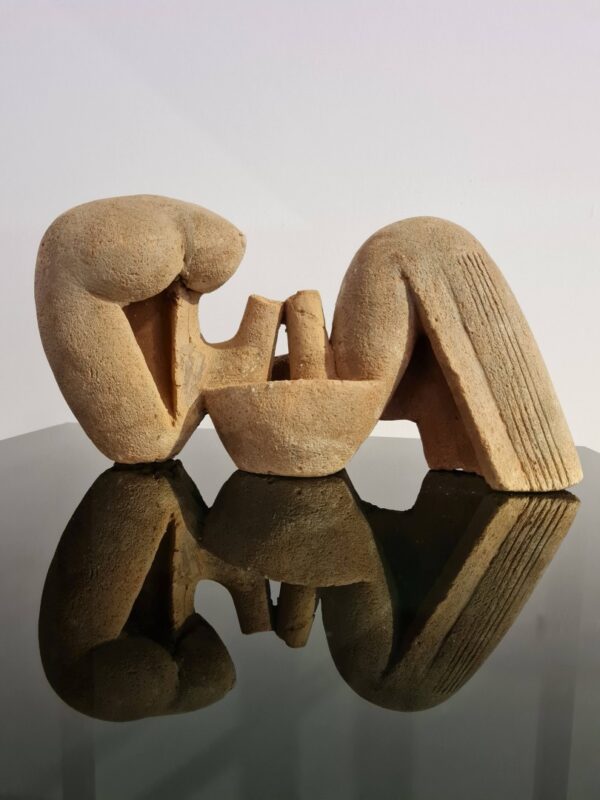
Le Cong Thanh’s sculptural practice traces a profound evolution in both form and spirit, reflecting the broader artistic and ideological shifts that shaped Vietnam’s art history. Widely recognized for his early works depicting soldiers, Vietnamese women during the resistance war, and statues of Uncle Ho, Le Cong Thanh’s oeuvre can be divided into two distinct phases, divided by a significant transition in 1985.
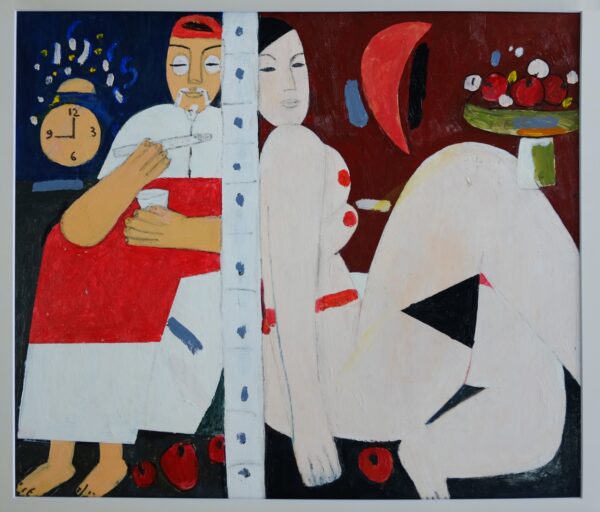
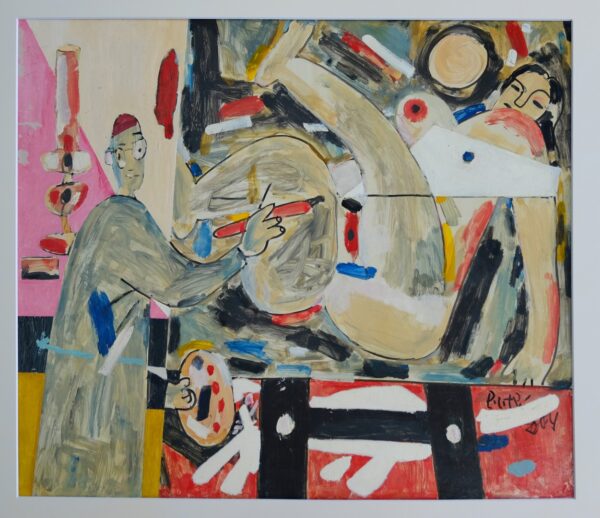
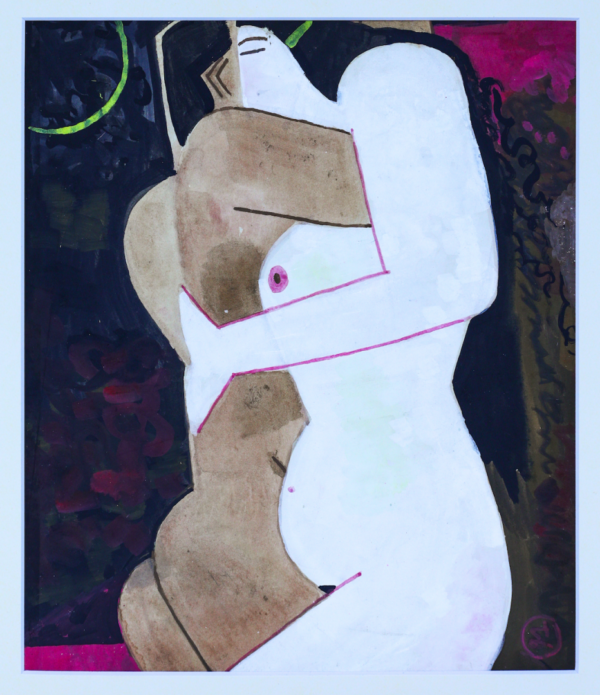
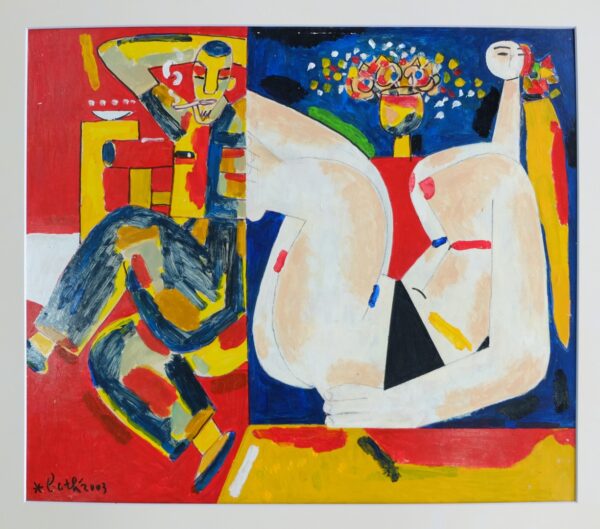
Before 1985, his works followed the visual and ideological imperatives of Socialist Realism, celebrating collective ideals and revolutionary heroism through monumentality and clarity of form. After 1985, however, Le Cong Thanh turned inward – toward a deeply personal exploration of the female figure as a symbol of life, resilience, and spiritual beauty. In a departure from didactic representation, he developed a sculptural language that was abstract, sensuous, and symbolic, reducing form to essential gestures and rhythms. His women – rounded, weighty, and serene – embody an elemental harmony rather than idealized perfection.
Speaking about his lifelong preoccupation with the feminine, the artist once reflected: “I don’t know how to speak; I only know how to sculpt. I only know how to use my hands to signal, my sincere hands to console. I can only say one thing: I am not an artist who sculpts and paints naked, stripped-down women. But because of women, I become an artist in the true sense of being a Human.”
(Edited from text excerpts provided by Do Duc)