
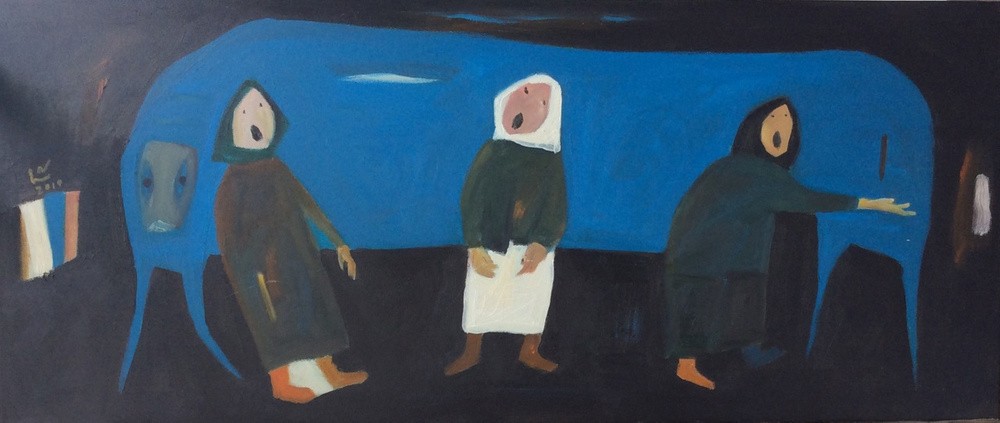
Ha Tri Hieu
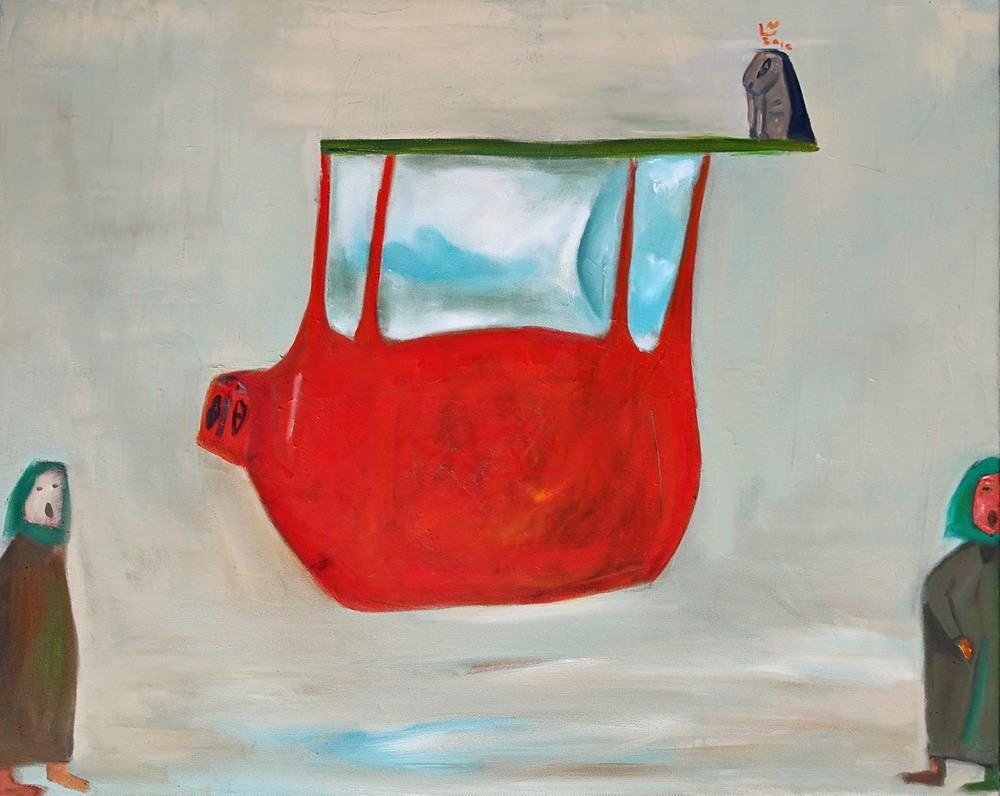
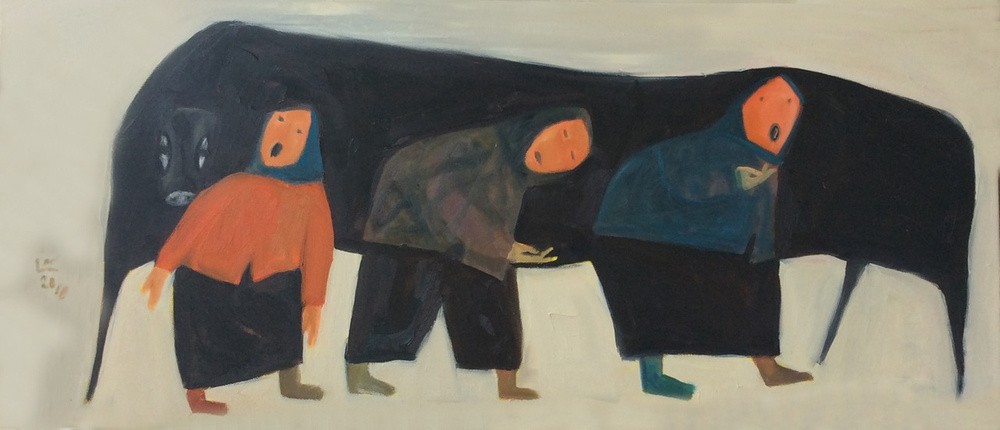
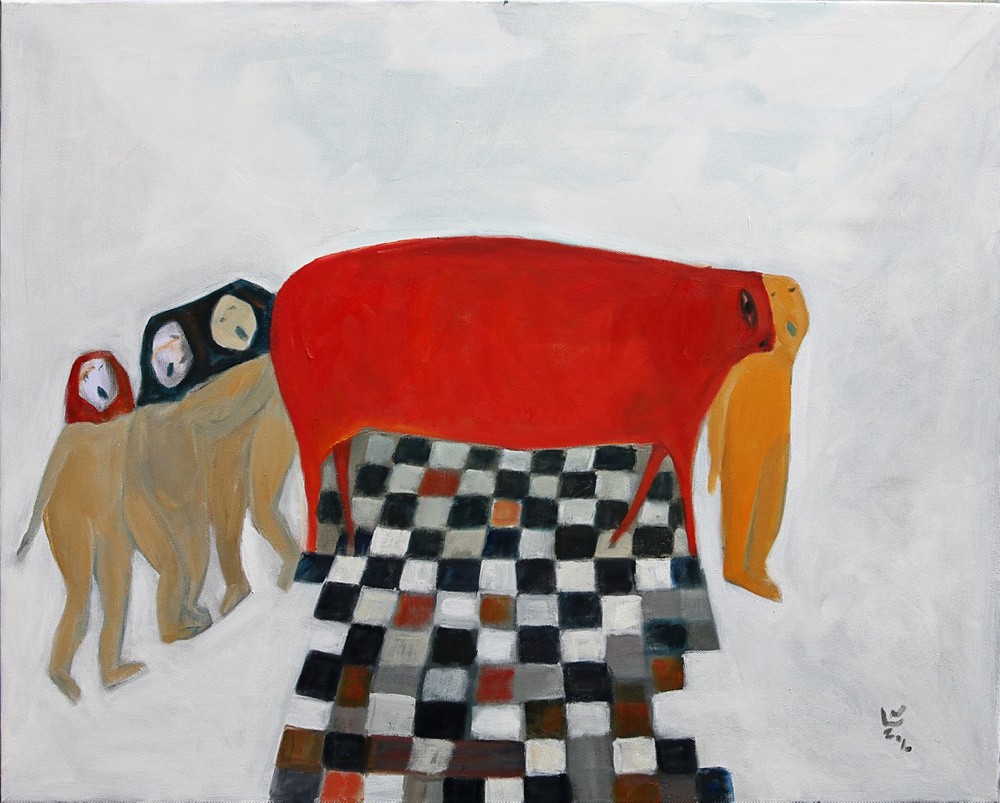
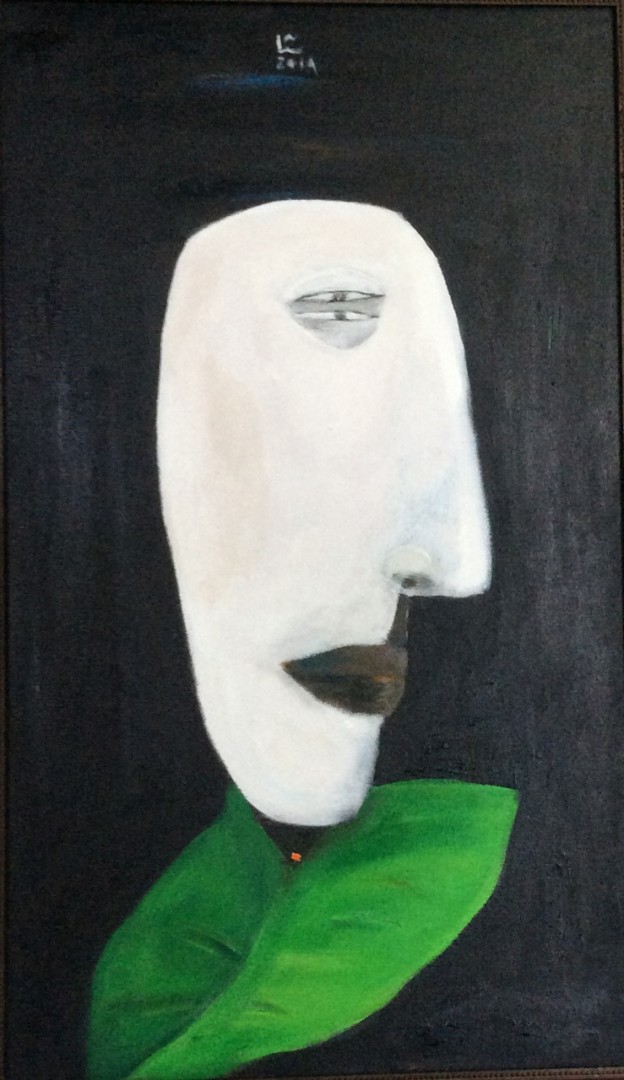
Ha Tri Hieu (b. 1959, Vietnam) graduated from the Vietnam University of Industrial Art in 1983. He is known as one of the leading artists of his generation, and an important member of Gang of Five – the first group of Vietnamese artists in North Vietnam to gain international recognition. The subject of much of Hieu’s poetic work is the beauty and simplicity of rural life in Vietnam. The artist was deeply influenced by the years he spent as a child in the countryside. Recurring images of water buffaloes, stone temple dogs and farmers evoke feelings of nostalgia and the innocence of childhood. What makes Hieu’s art unique is the symbiosis between romantic and expressionistic elements, between naive forms and impetuously chosen colors, combined with a refined understanding of the subtleness of light.
His works are featured in the museum collections of the Singapore Art Museum (SAM), National Museum of Malaysia, Vietnam Fine Art Museum, as well as in various private collections in Vietnam and abroad. Hieu has an extensive exhibition history, with notable exhibition including Gang of Five: Chancing Modern, The Factory Contemporary Arts Centre, HCMC, Vietnam, 2018; AIA Vietnam Eye, nest by AIA, Hanoi, Vietnam, 2016; Flower, Eight Gallery, HCMC, Vietnam, 2012; My Way, Art Vietnam Gallery Hanoi, Vietnam, 2008; Vietnamese Identity, Melbourne, Australia, 2000; Solo exhibition, Mai Gallery, Hanoi, Vietnam, 1998; and Gang of Five exhibition in Vietnam, 1991, and travelled to Bangladesh, 1993, UK, 1994, and Hong Kong, 1996.
Studio Visit with Ha Tri Hieu
Life stories, career stories, personal stories – in this interview, Ha Tri Hieu humorously shares what has shaped both his individual and artistic journeys. From his father’s early encouragement to pursue his passion, to his apprenticeship with mentor Pham Viet Song, and later his artistic odyssey with the Gang of Five throughout North and South Vietnam, Ha Tri Hieu emerged as one of Vietnam’s most prominent artists of the post-Doi Moi era. Behind the big picture stories, Ha Tri Hieu also discusses the visual symbols that have become distinctive features in his paintings, as well as his plans to shift his practice towards existential explorations of memory, reconciliation, and healing.
This video is part of a series of interviews by Nguyễn Art Foundation.