
Nguyen Quang Huy
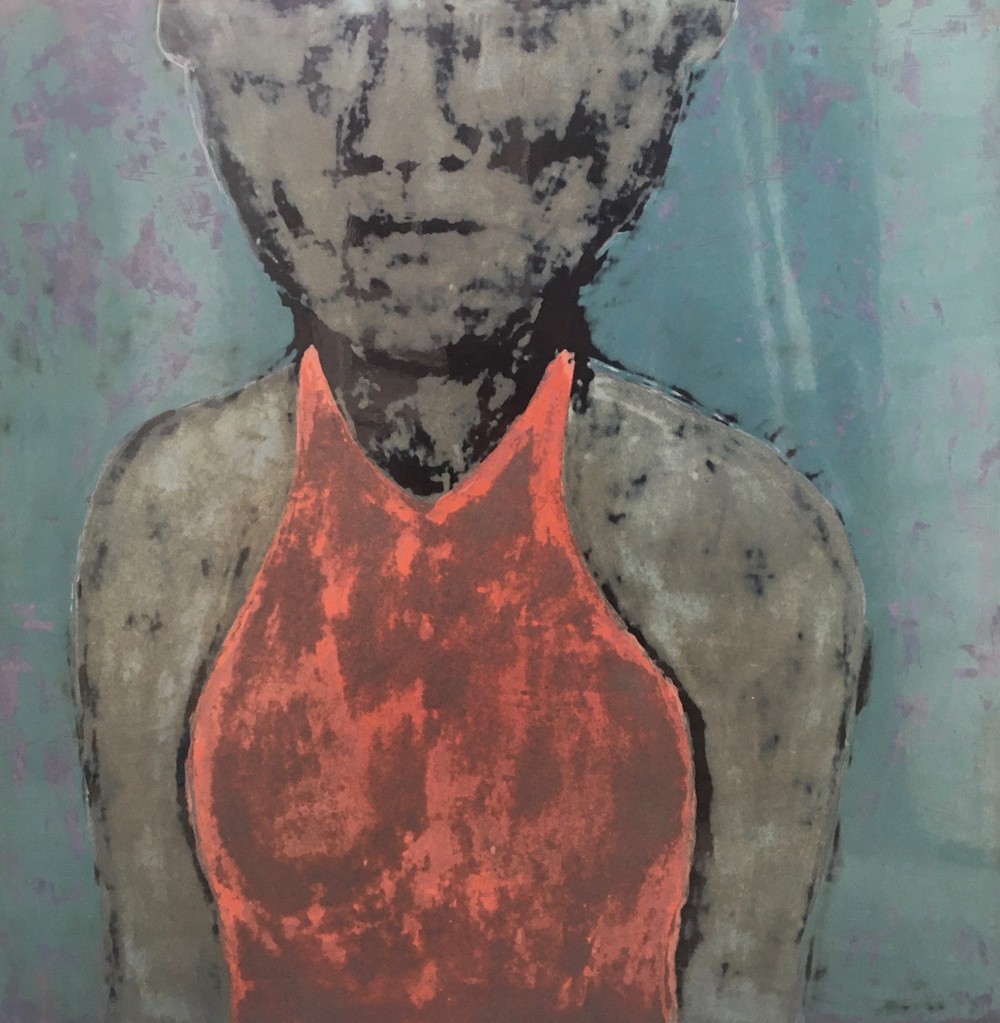
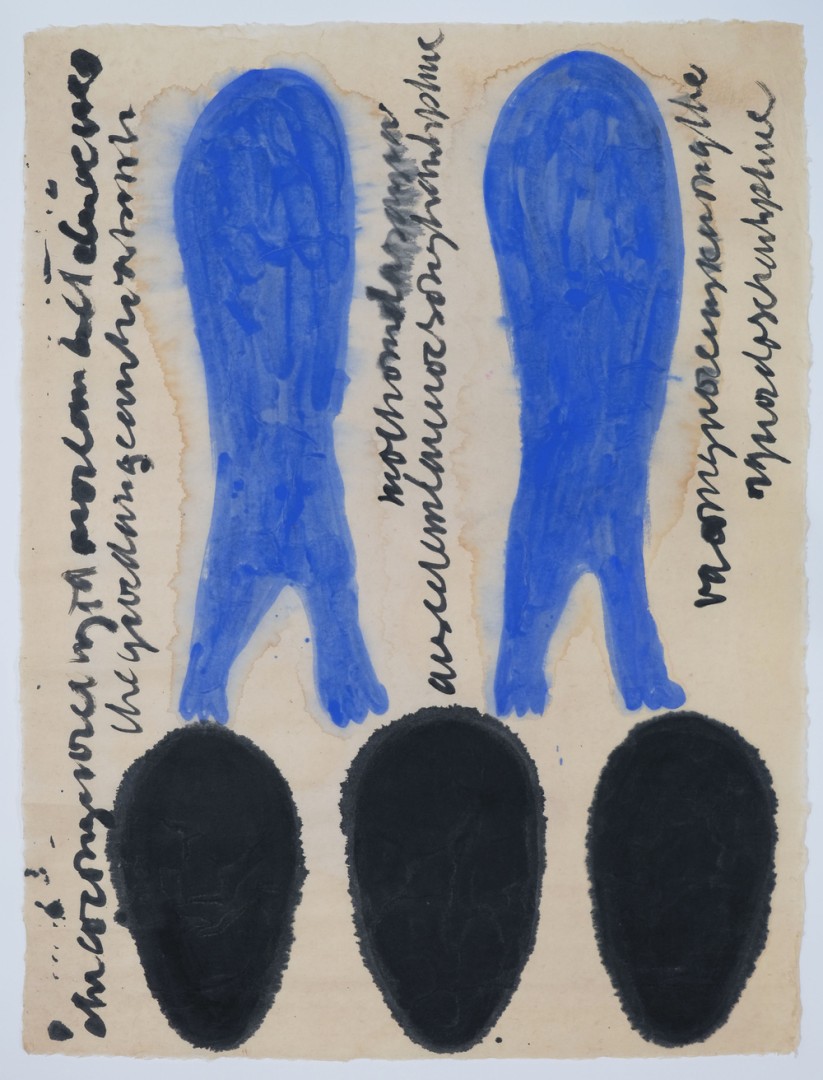
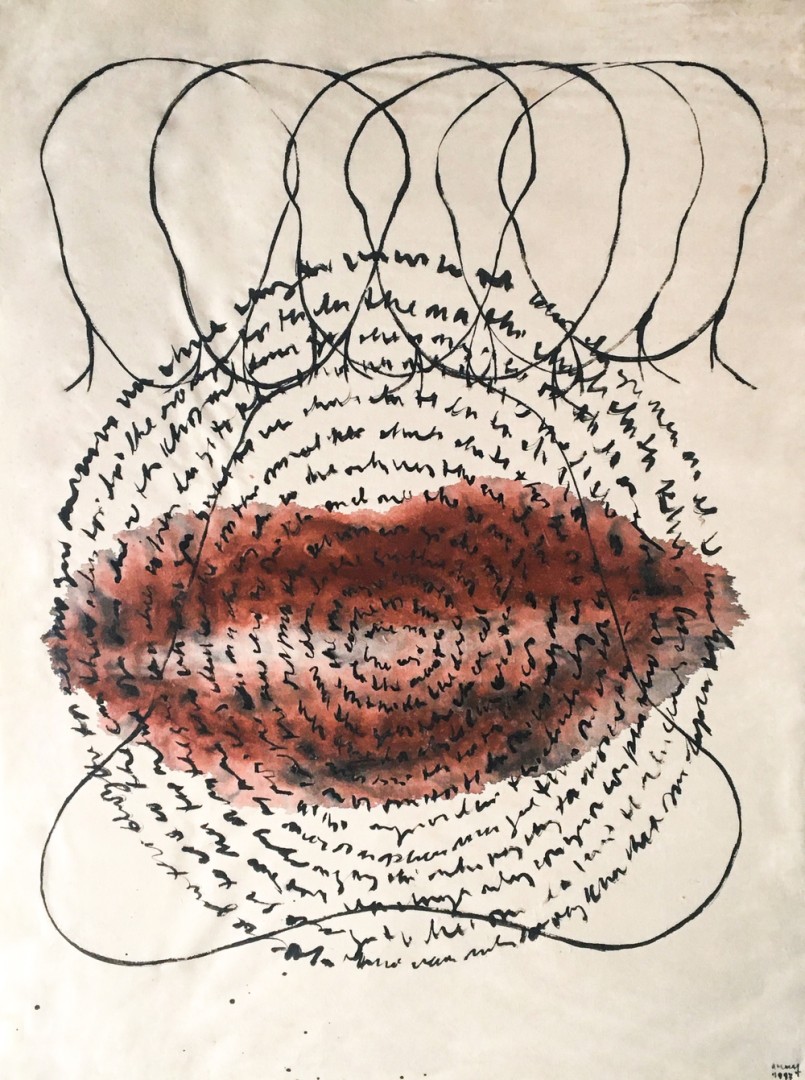
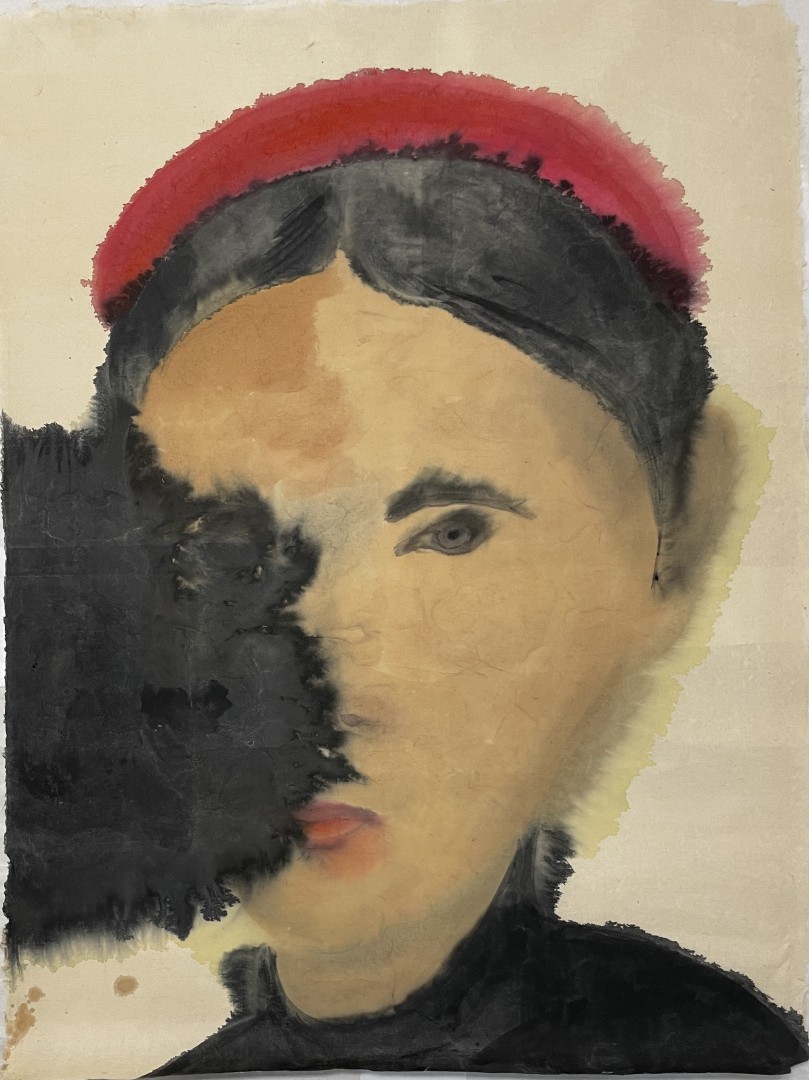
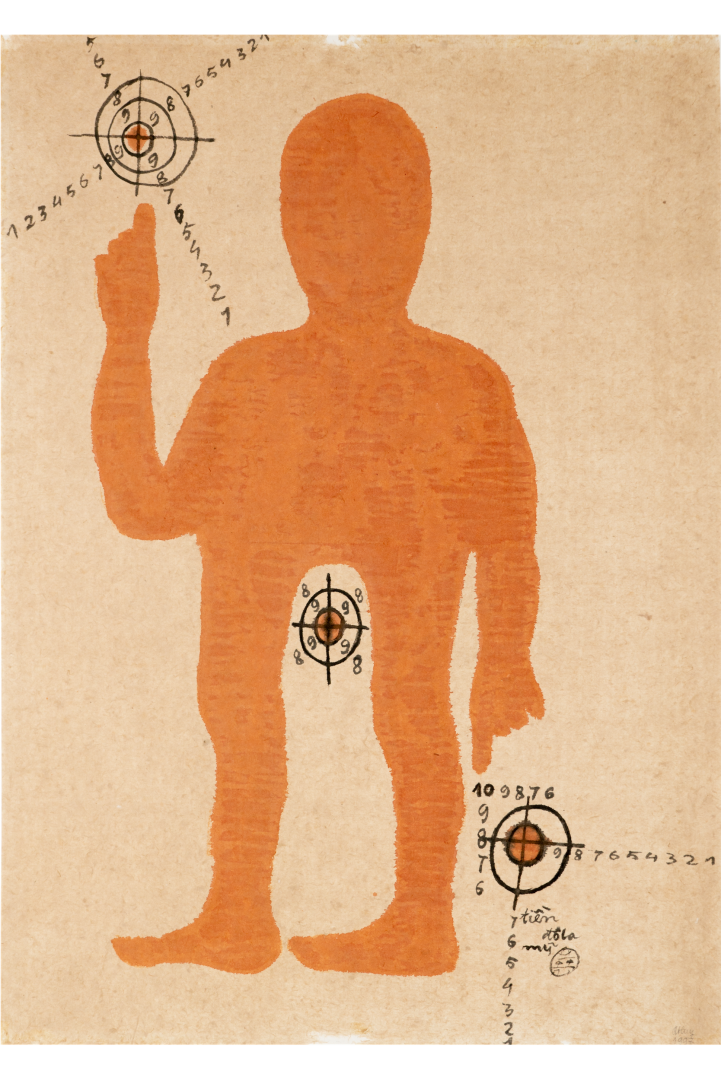
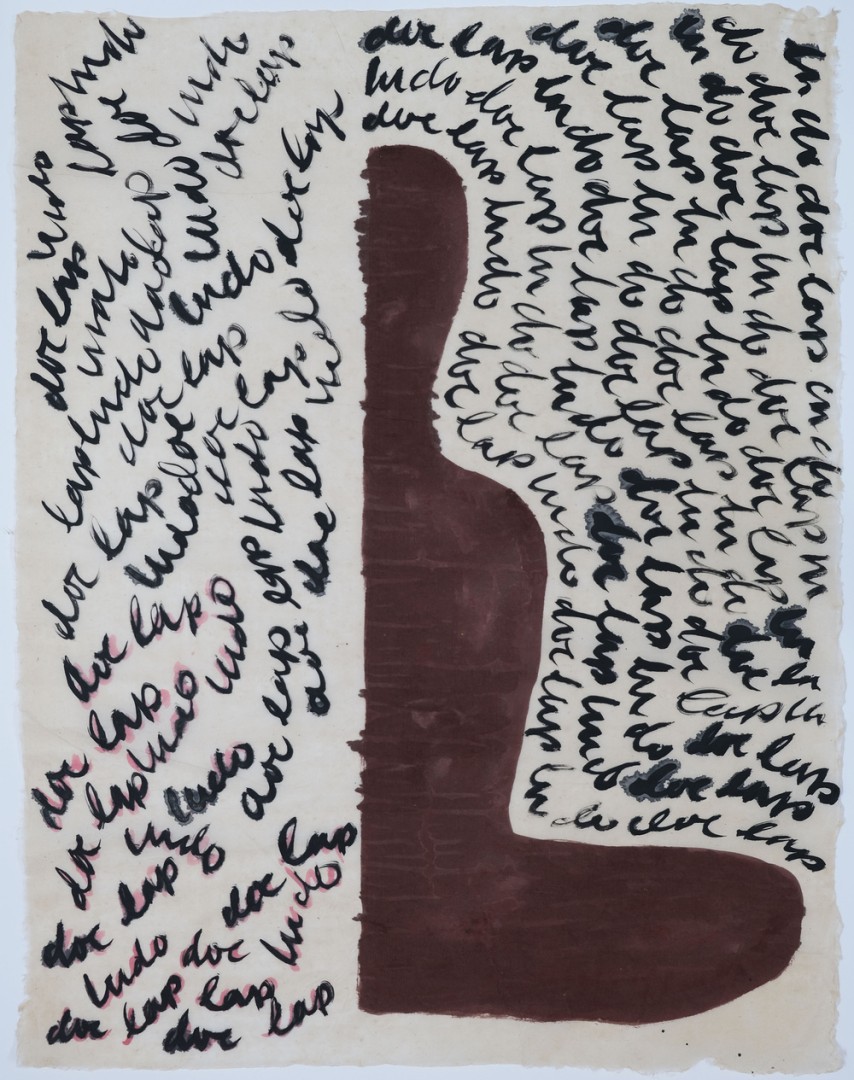
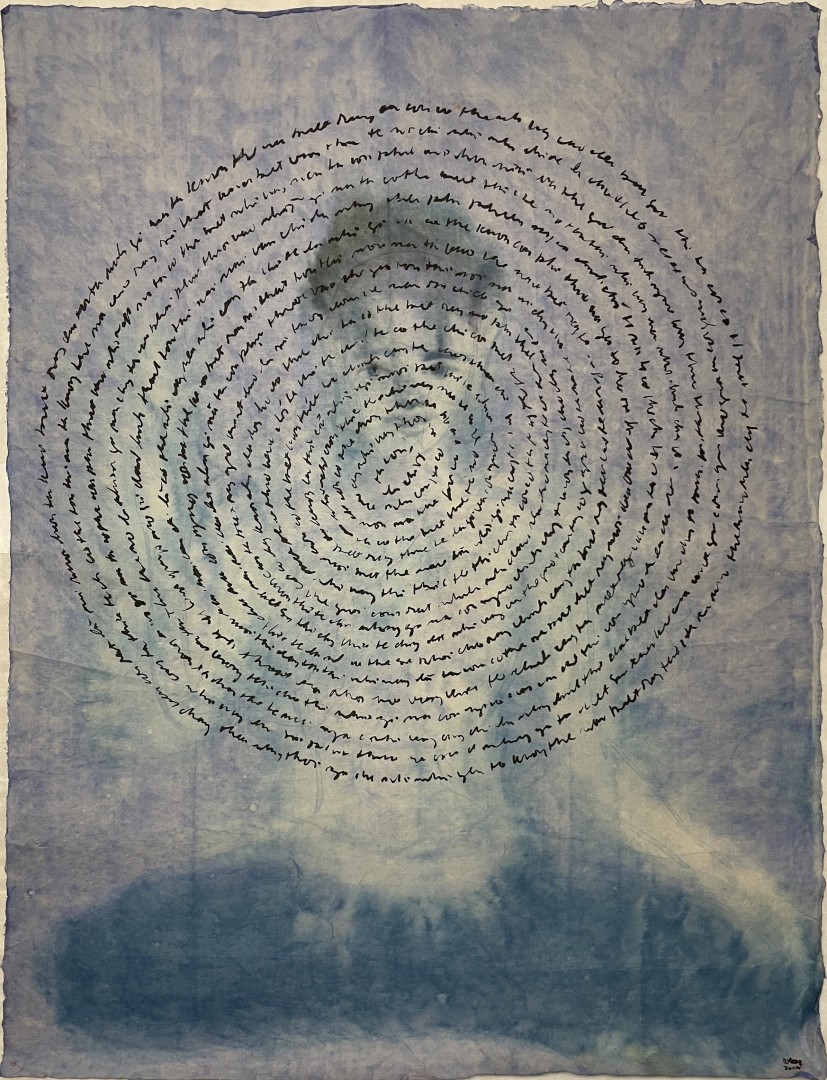
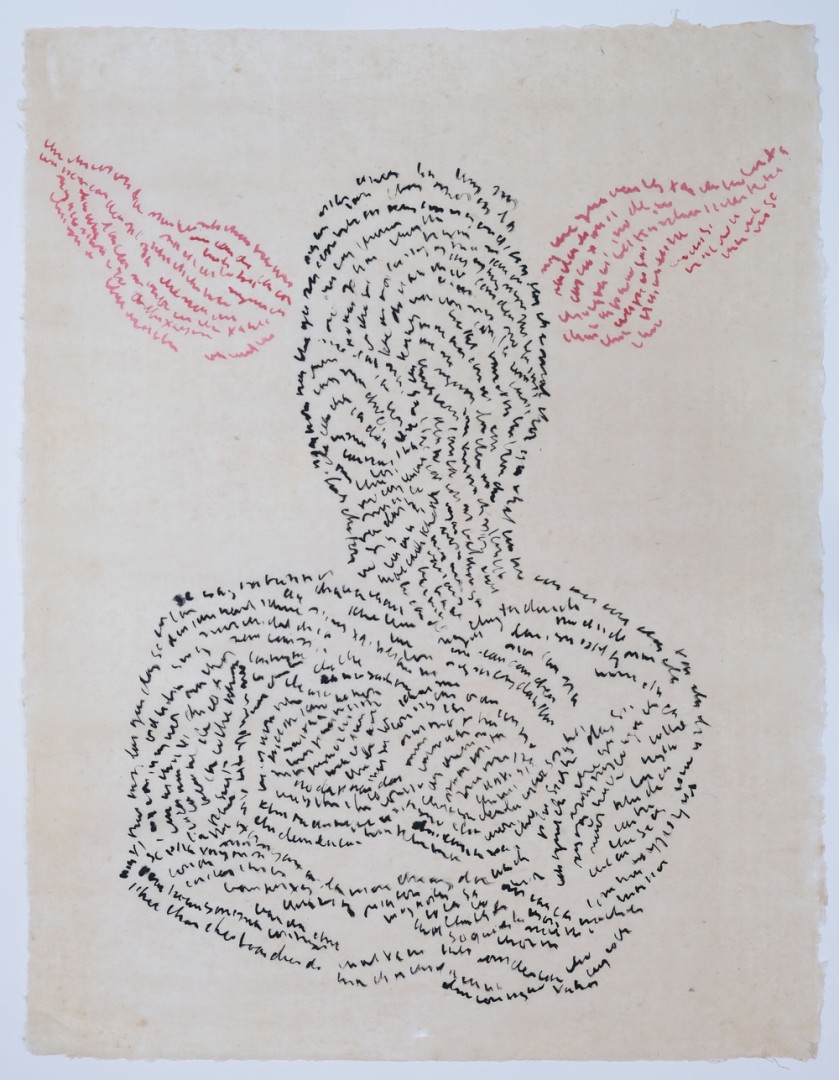
Nguyen Quang Huy (b. 1971, Vietnam) graduated from the Vietnam University of Fine Arts in 1996 and is part of the first generation of experimental Vietnamese artists to emerge after the Đổi Mới (Renovation) period. Rejecting traditional photorealism, he developed a distinctive visual language through a purposeful blurring technique, seeking to reveal the spiritual essence of his subjects rather than their surface likeness.
Influenced by Buddhist thought and the animist beliefs of the H’mong people – who regard souls as residing not only in humans and animals but also in plants, rocks, and the land itself – Huy’s work embodies a deep reverence for nature and memory. His landscapes of northern Vietnam’s highlands and portraits of H’mong people are imbued with a meditative stillness, quietly holding the layered histories of the people and terrain they depict.
Huy has presented solo exhibitions in Vietnam, Germany, France, and Singapore, and participated in major group exhibitions worldwide. His works are held in the collections of the Fukuoka Asian Art Museum, the World Bank Art Program, National Gallery Singapore, among others.
Studio Visit with Nguyen Quang Huy
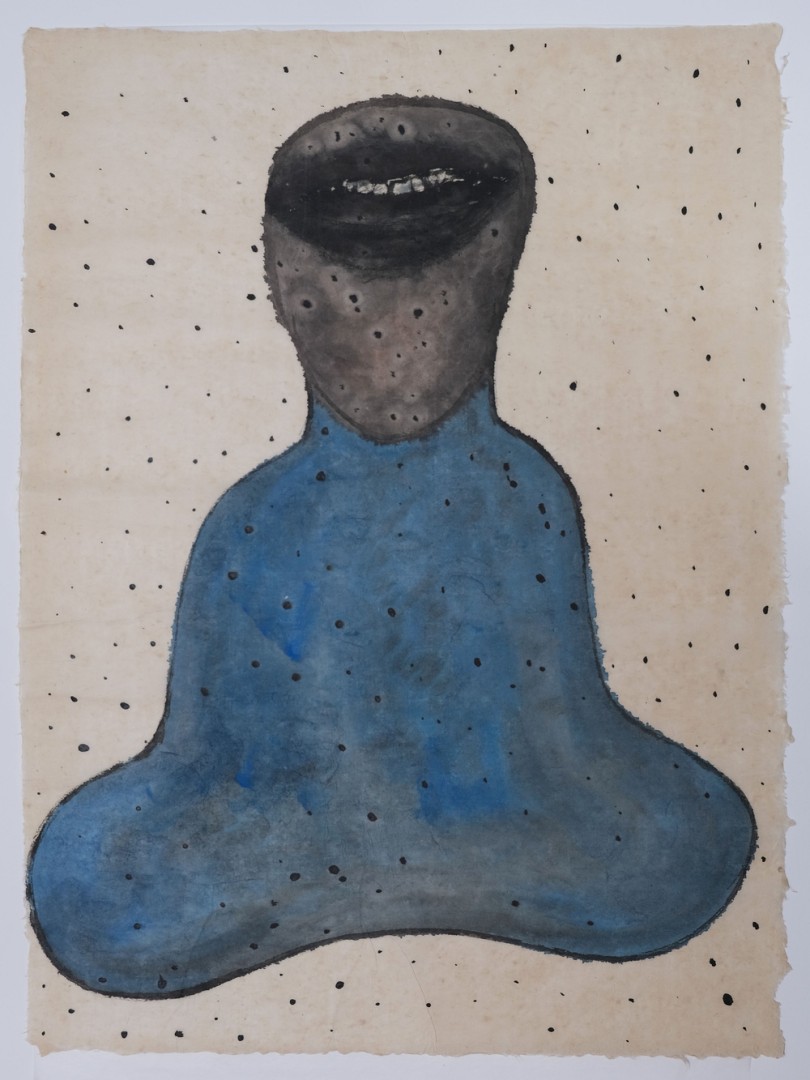
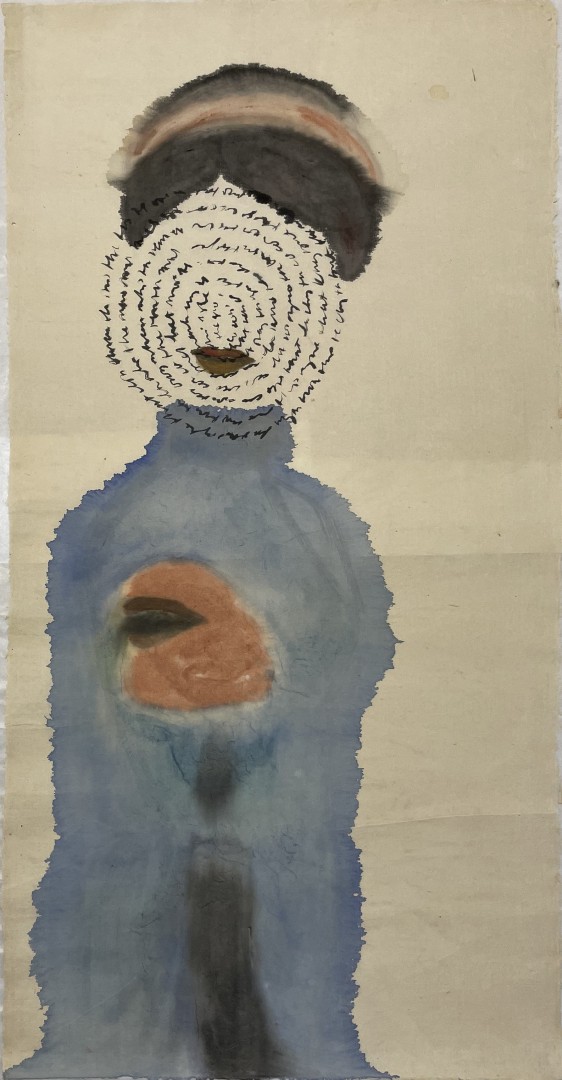
In this 15-minute video, Nguyen Quang Huy talks about his early practice filled with a sense of individualism and experimentations with various art forms. His monochromatic blue portraits of women, as well as the Buddhist inspirations for his enigmatic paintings on dó paper are also discussed in depth, all of which speak to Huy’s sensitivity to beauty captured by the camera and his search to find inner balance and visualize it through tangible form. In addition, the artist also shares his personal stance on the so-called Hanoi Triad – a group of artists comprising Huy himself, Nguyen Van Cuong, and Nguyen Minh Thanh – and experiences at Nha San – a hugely important alternative art space that has helped shape his practice.
This video is part of a series of interviews by Nguyễn Art Foundation.