Communal beliefs in Cho Lon: The Image of the Goddess
-
21 September 2025

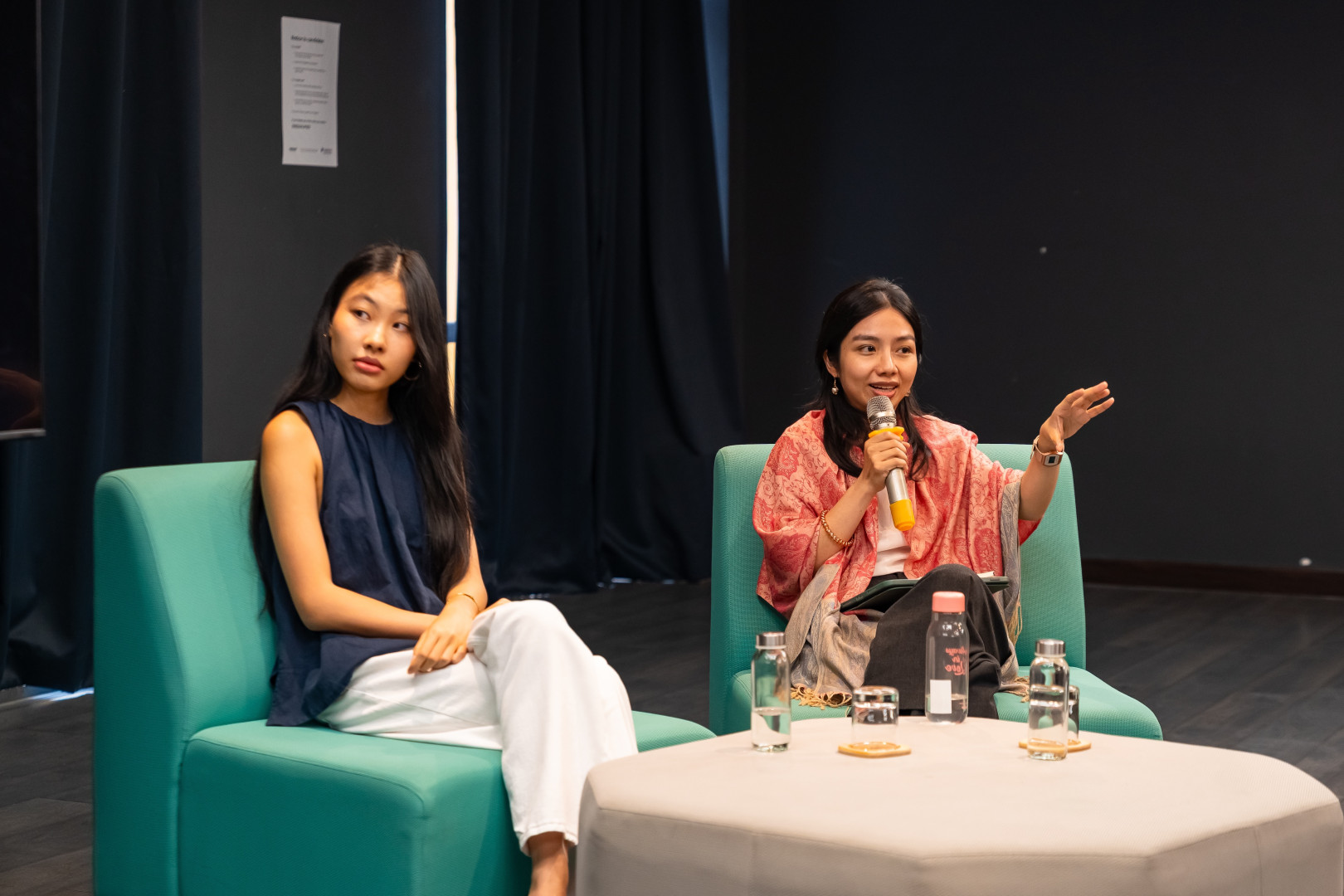


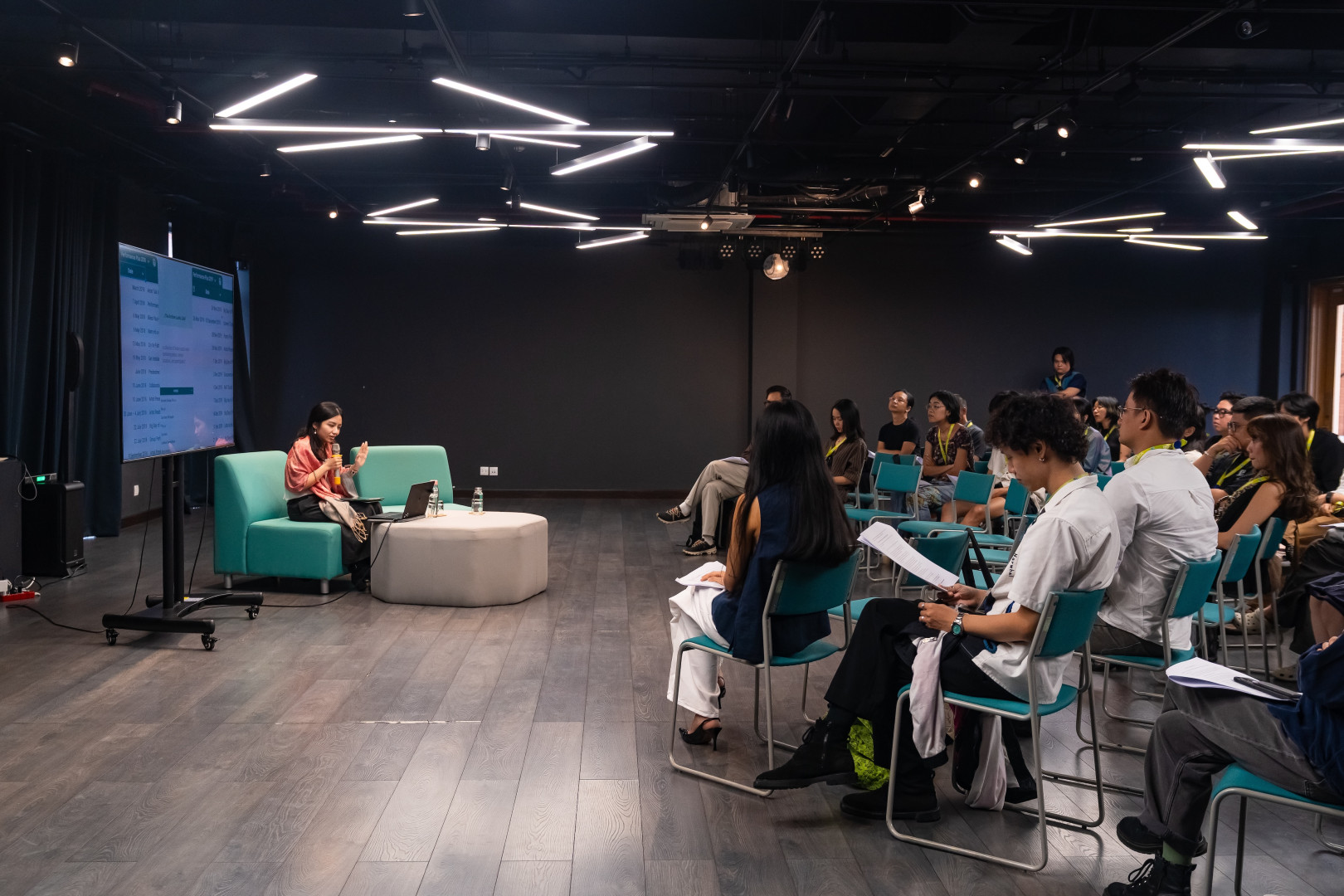

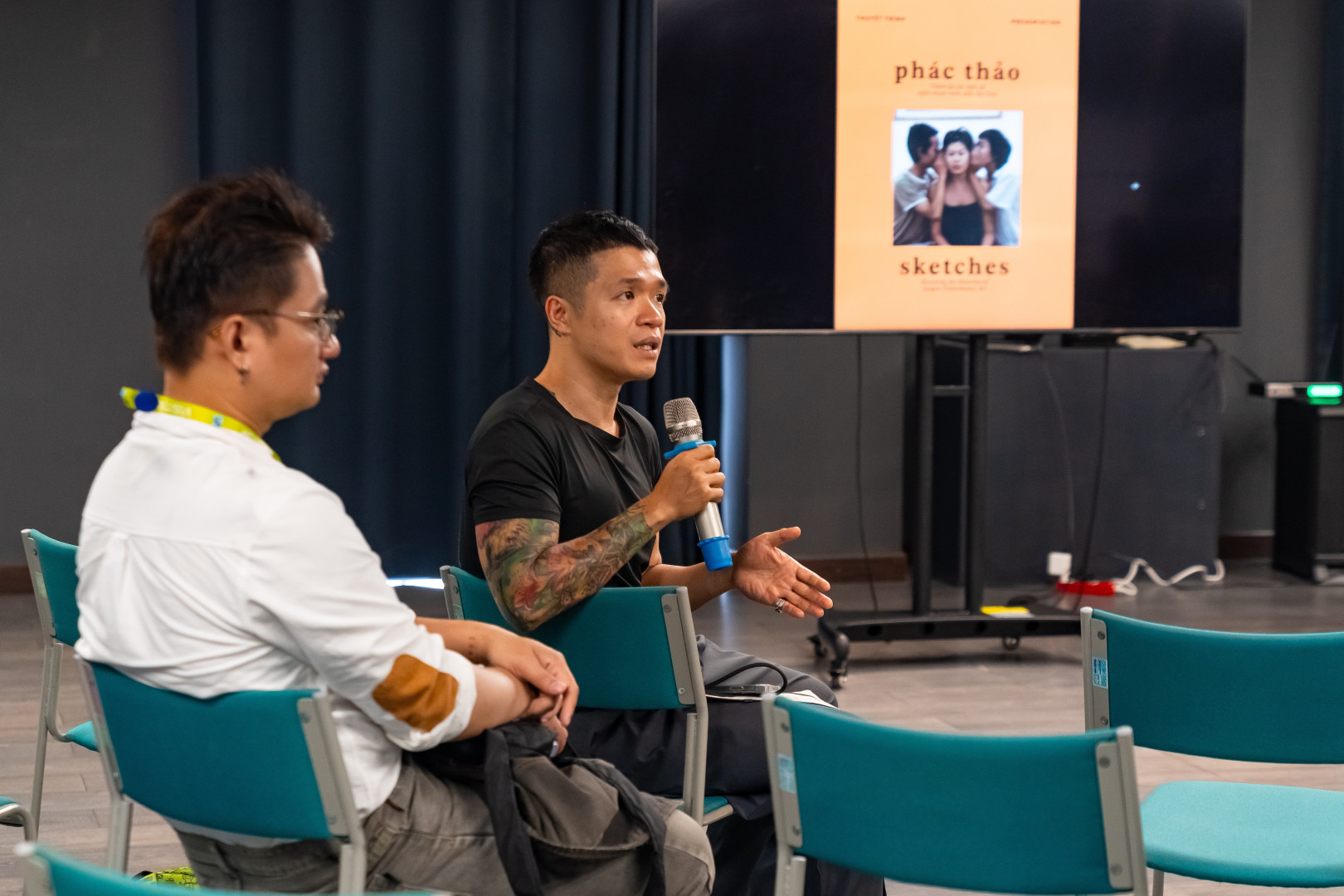

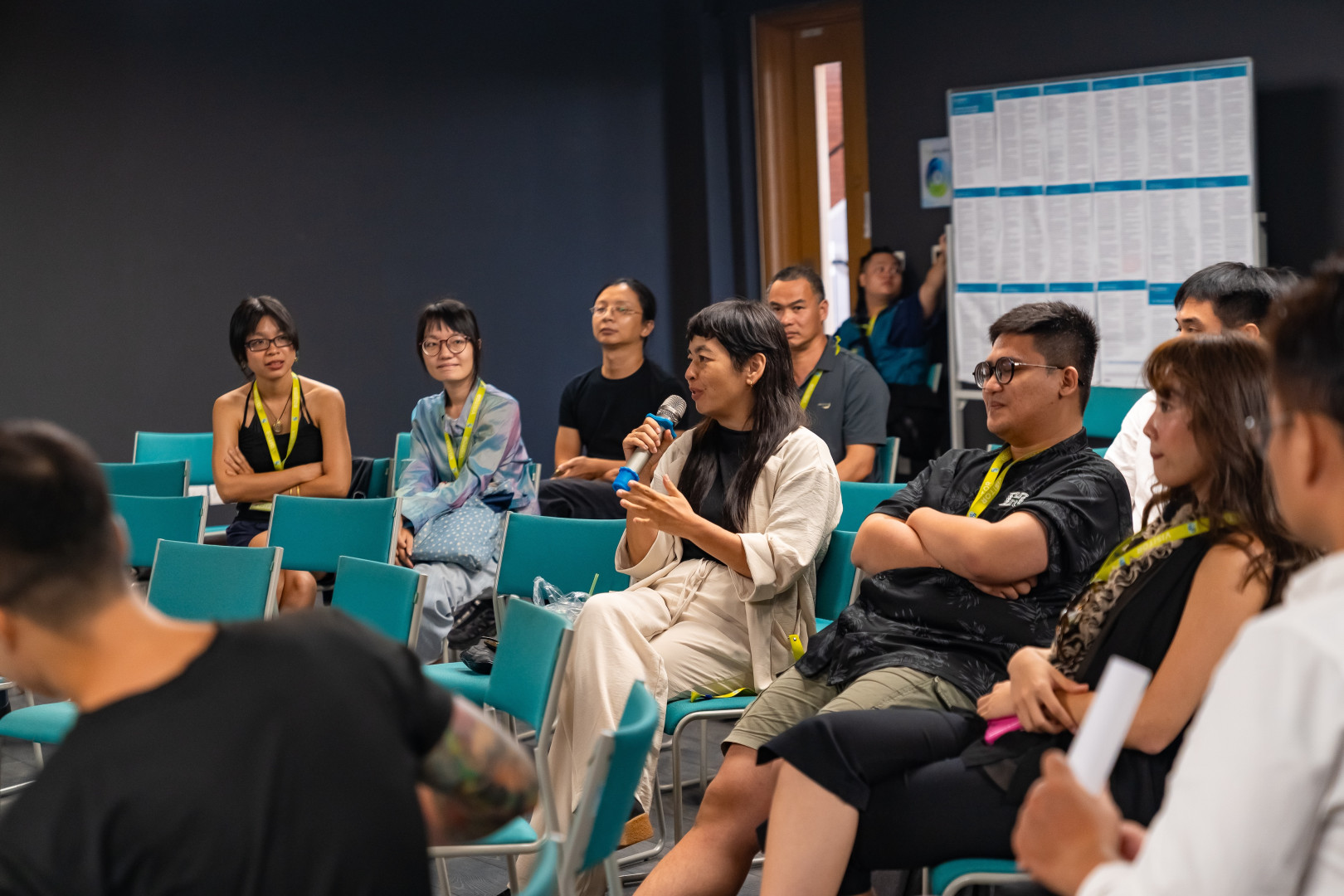
Presentations by Kiều–Nga Trang, Van Le, and Ann Nguyen Gaither
Since launching the program and receiving interest from three young researchers and writers, we have been eagerly accompanying Kieu–Nga Trang, Van Le, and Ann Gaither as they trace three distinct junctures in Saigon’s performance art history. This process is deeply indebted to the invaluable support and insights shared by artists and organizers Tran Thanh Ha, Ly Hoang Ly, Richard Streitmatter-Tran, Ms. Tran Thi Huynh Nga, Boris Nieslony, and Marilyn Arsem. In this upcoming sharing session, the audience revisits milestones that are seemingly significant yet have never been truly unpacked or fully recognized. This event can also be seen as an “open studio” occasion for the three researchers to share their evolving processes and gather audience feedback before the final essays are published at the end of June.
Kieu Nga Trang revisits the 14th International Performance Art Conference, which gathered over thirty artists from nineteen countries in Vietnam in 2006 under the framework of the “Permanent Performance Art Conferences” initiated by Boris Nieslony. The program was co-organized by various international independent art initiatives, including Blue Space in Ho Chi Minh City (Tran Thi Huynh Nga), Concrete House in Bangkok (Chumpon Apisuk), E.P.I. Zentrum in Germany (ASA European/Boris Nieslony), and Global Affairs in Austria (Rolf Hinterecker), with support from the Ho Chi Minh City Fine Arts Association. Examining the conference from a contemporary perspective, the study questions its core premise – which seemingly assumed that exchange could freely move across different contexts and that the necessary conditions to sustain it were already in place – while exploring how a global model of artistic exchange was negotiated within Vietnam’s post-socialist condition.
Meanwhile, Van Le, with the project Archive+++: Tracing digital-biological cellules of Performance+++ (2018–2019), approaches performance history by questioning which “cells” of the performing bodies store the performance scores, and how they continue to overwrite themselves over time. Focusing on Performance+++ program organized by MoT+++ in Ho Chi Minh City, the presentation reflects an ongoing archival project that spans bodily, material, and digital sites to trace how the remnants of performance persist through memory, gesture, saliva, documentation, and interpersonal connections. Moving between interviews, digital traces, performance scores, and biological metaphors, the talk questions how ephemeral acts continue to live beyond the event, as well as the limits of what an archivist can capture. While memories of performance are fragile and fluid, they simultaneously open up possibilities for rebirth across different bodies and temporalities.
Ann Gaither focuses on a group of artists who collaborated and practiced performance in Saigon in the early 2000s, including Richard Streitmatter-Tran, Ly Hoang Ly, Bui Cong Khanh, Ngo Thai Uyen, and Nguyen Pham Trung Hau. From their diverse collaborations emerged the short-lived performance collective ProjectOne, where informality served as both the group’s defining characteristic and its greatest vulnerability. Through interviews with its members, Ann attempts to reconstruct the narrative of this artistic circle, placing it within the broader landscape of performance art in Saigon during the early 2000s – a period shaped by regional festival networks, foreign cultural funding, and the rapid modernization of Vietnamese society. Through this, the project also questions what happens to such art scenes when artists gradually disperse due to life’s shifts, and how their histories continue to live on in memories, images, and fragmented personal archives.
The event forms part of the satellite series of Phụ Lục Project, which concludes the two exhibitions Phụ Lục Through Whose Eyes? and Phụ Lục, How Are You?, ongoing since November 2025 at Nguyễn Art Foundation.