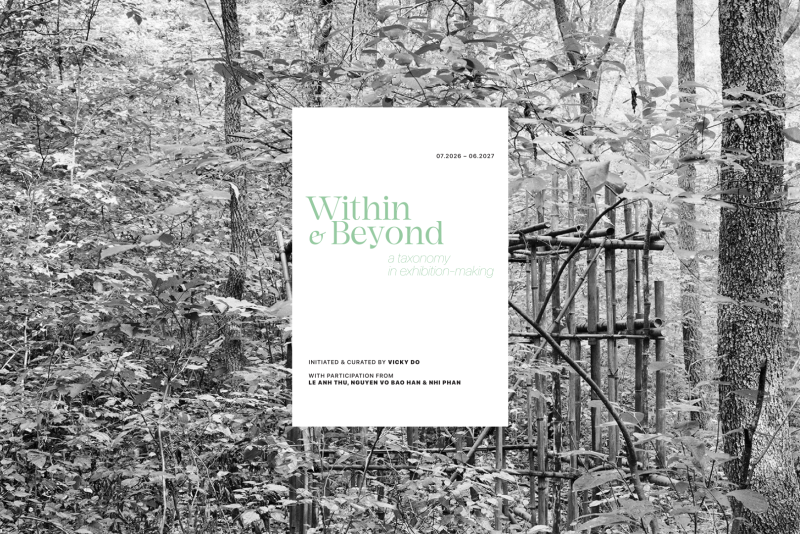
WITHIN AND BEYOND: A TAXONOMY IN EXHIBITION-MAKING
OPENING – EMASI Nam Long – 17 July, 2026
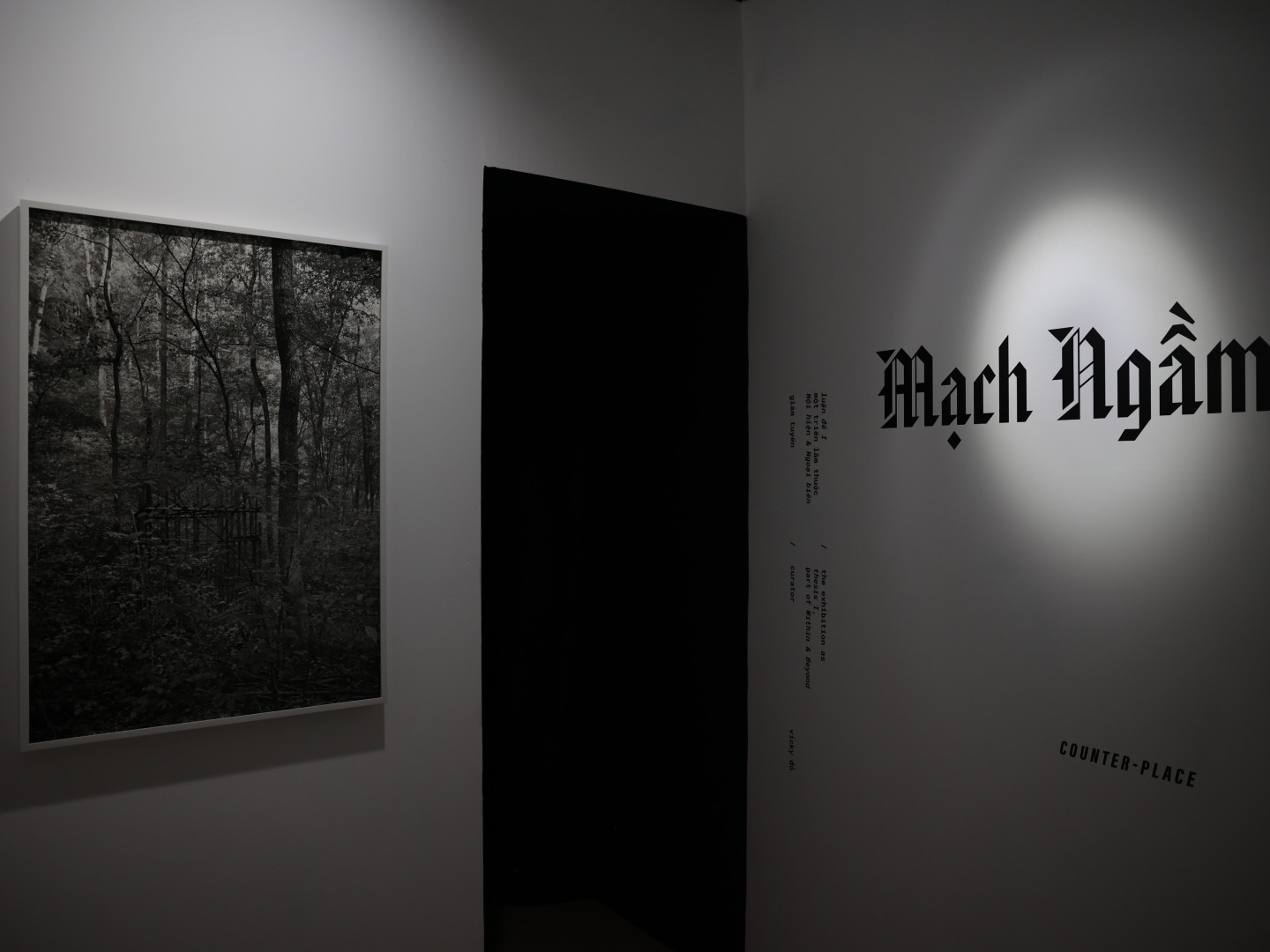
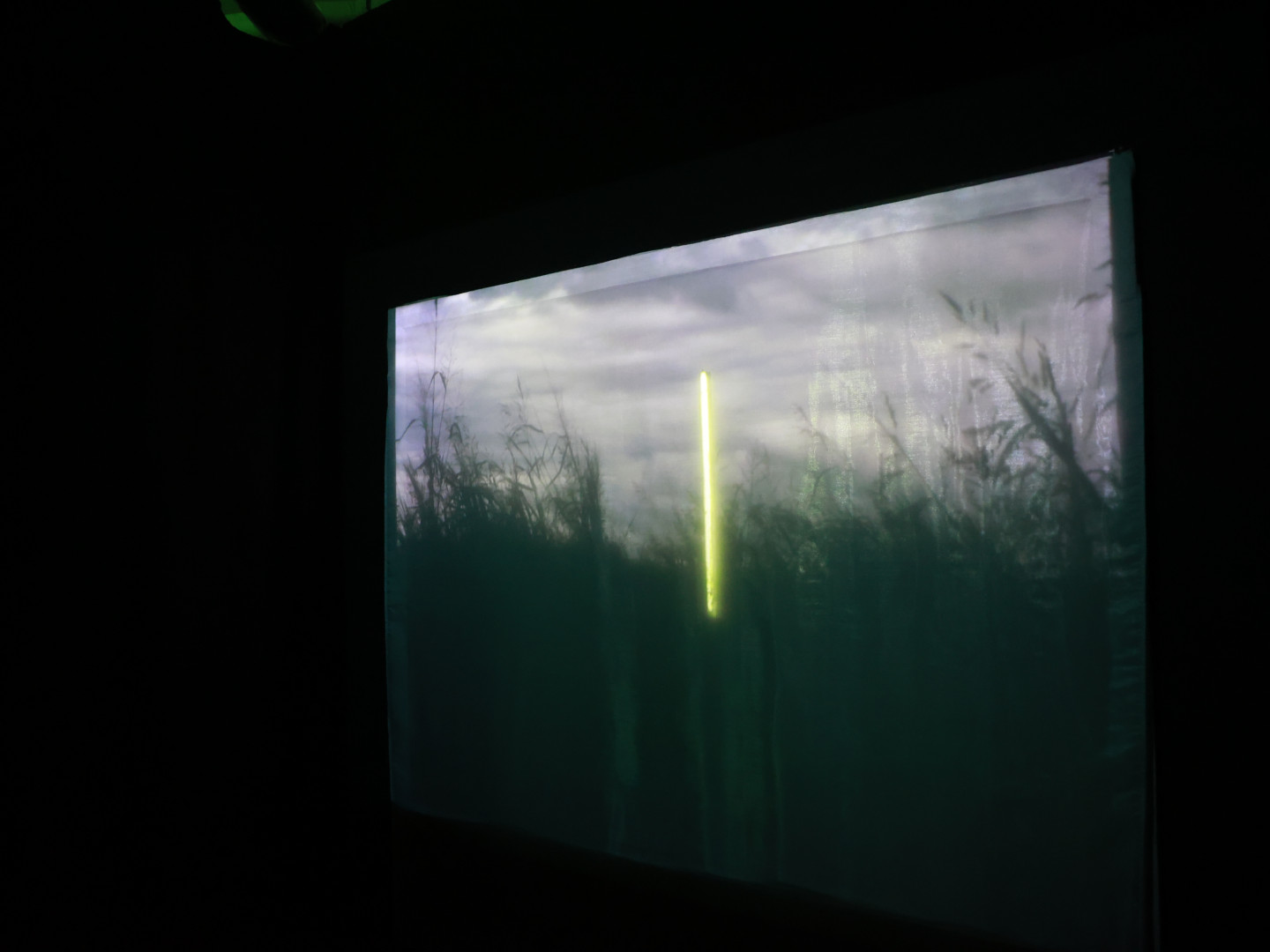
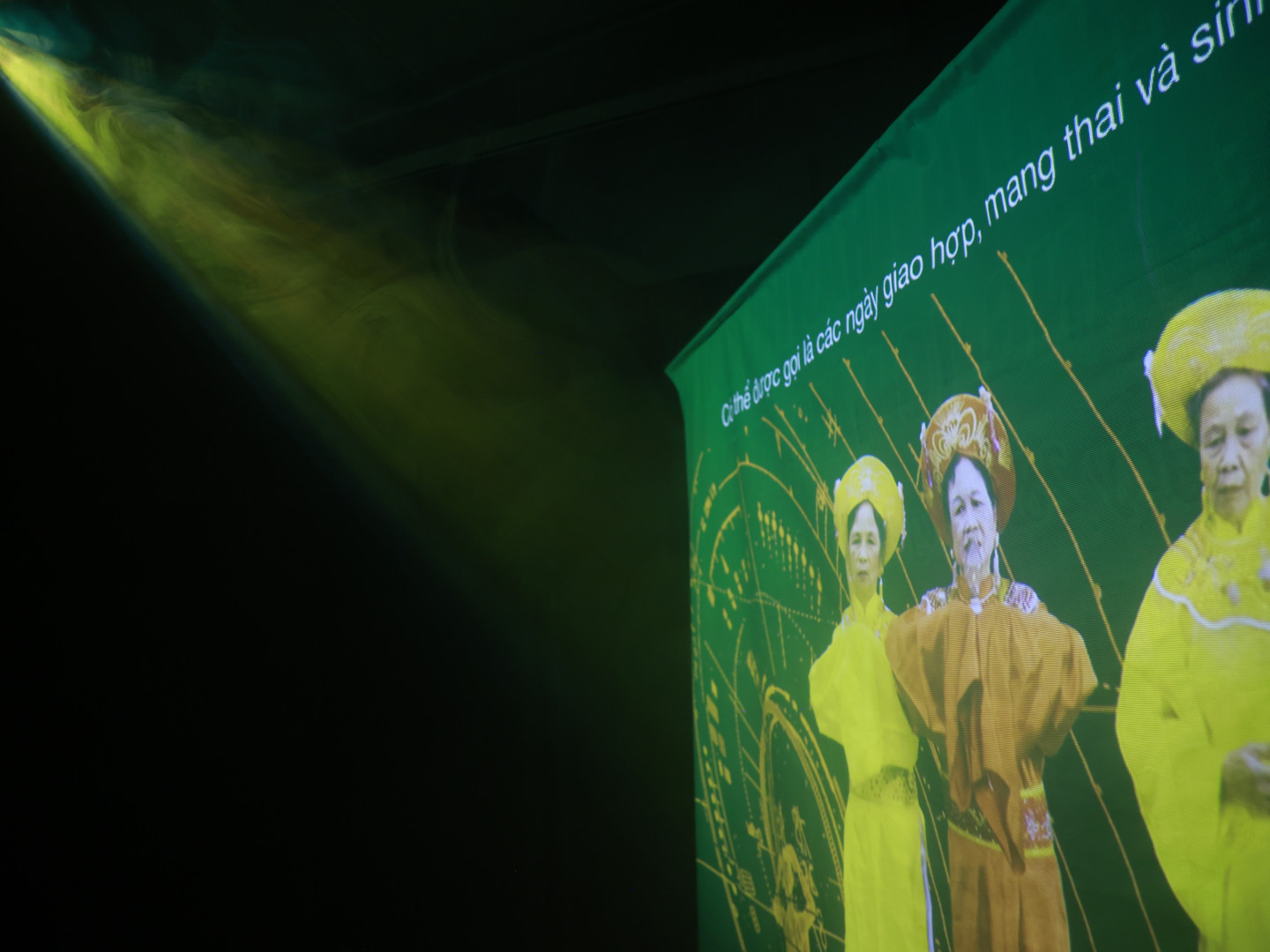
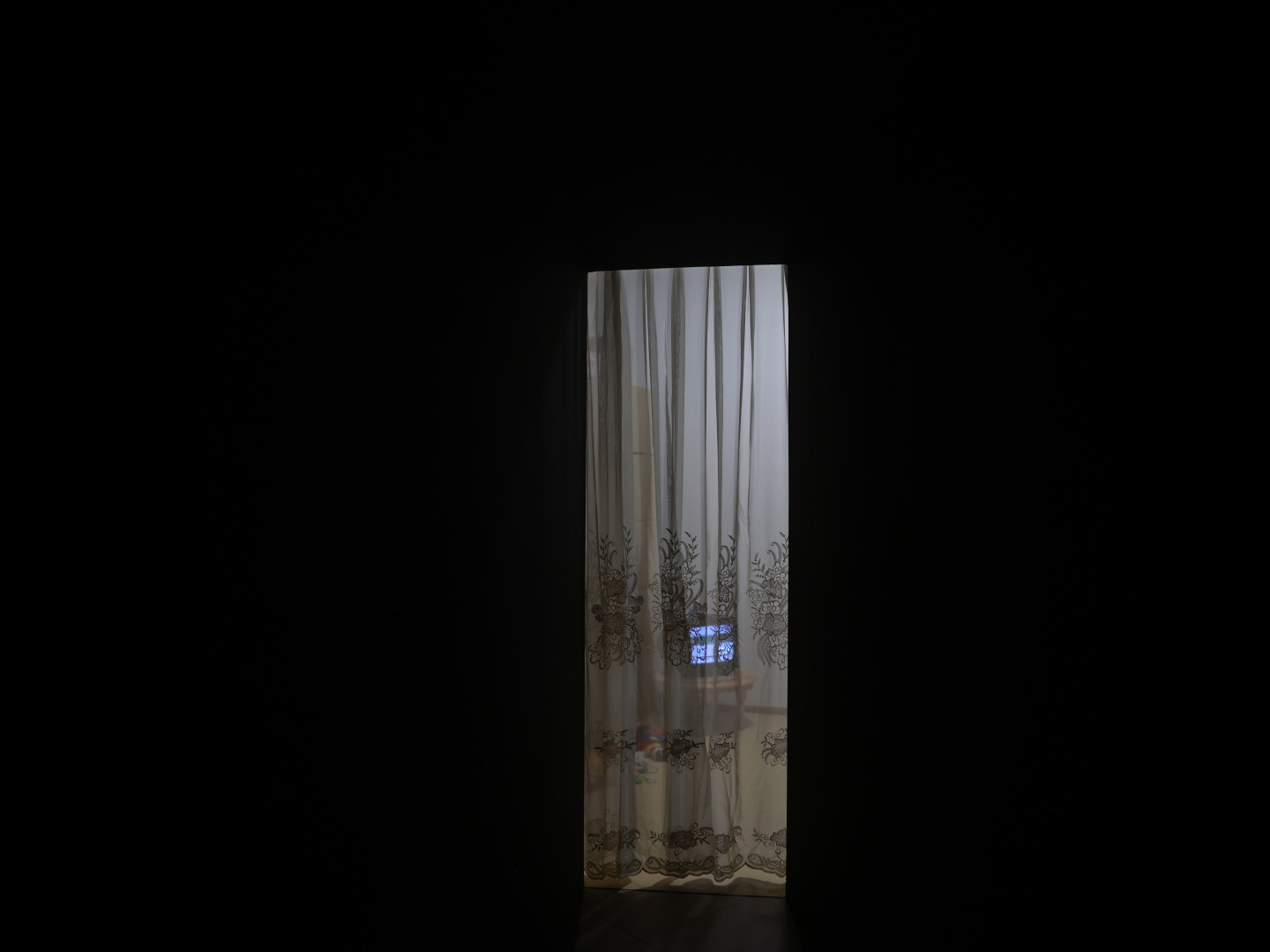
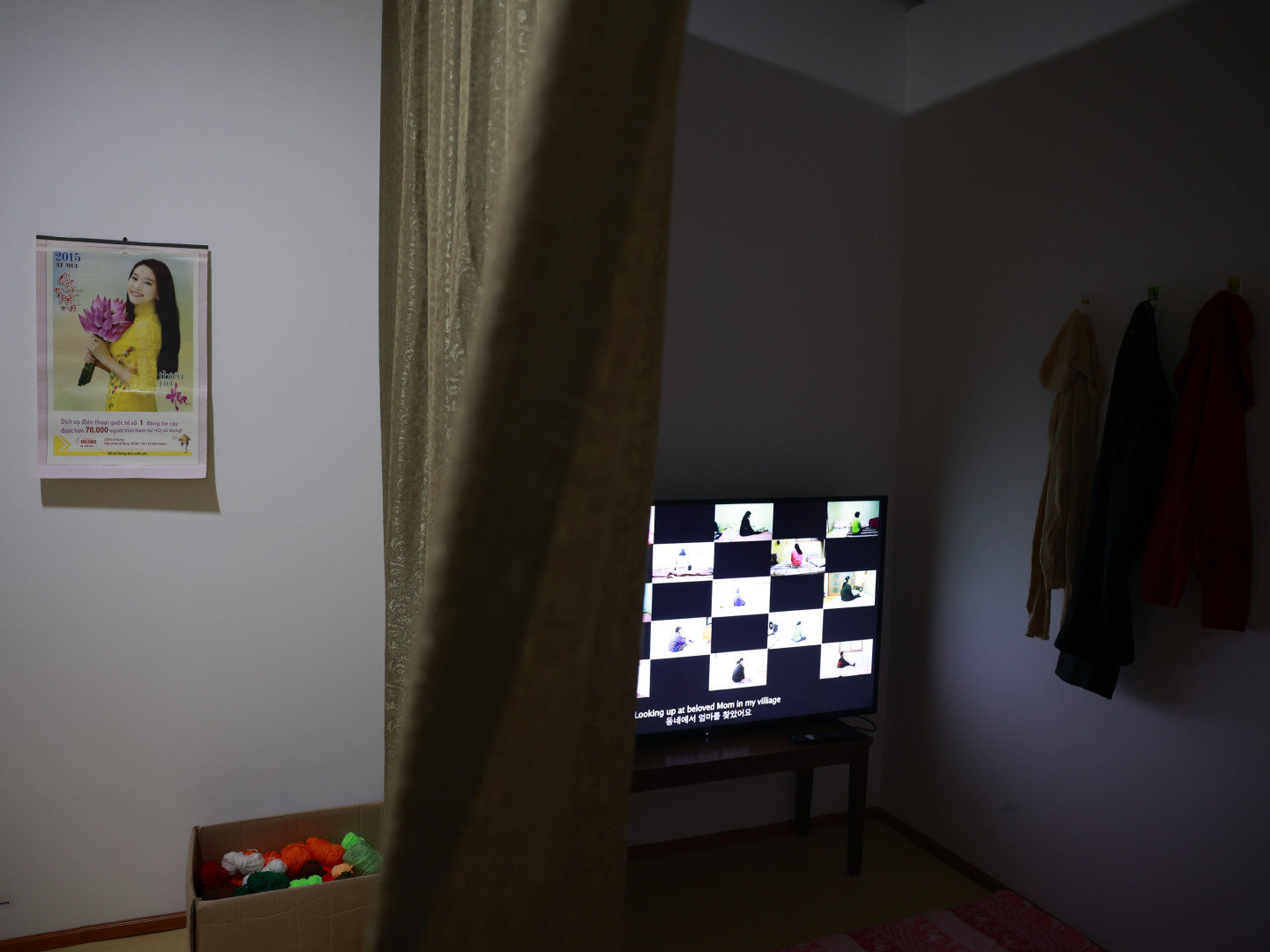

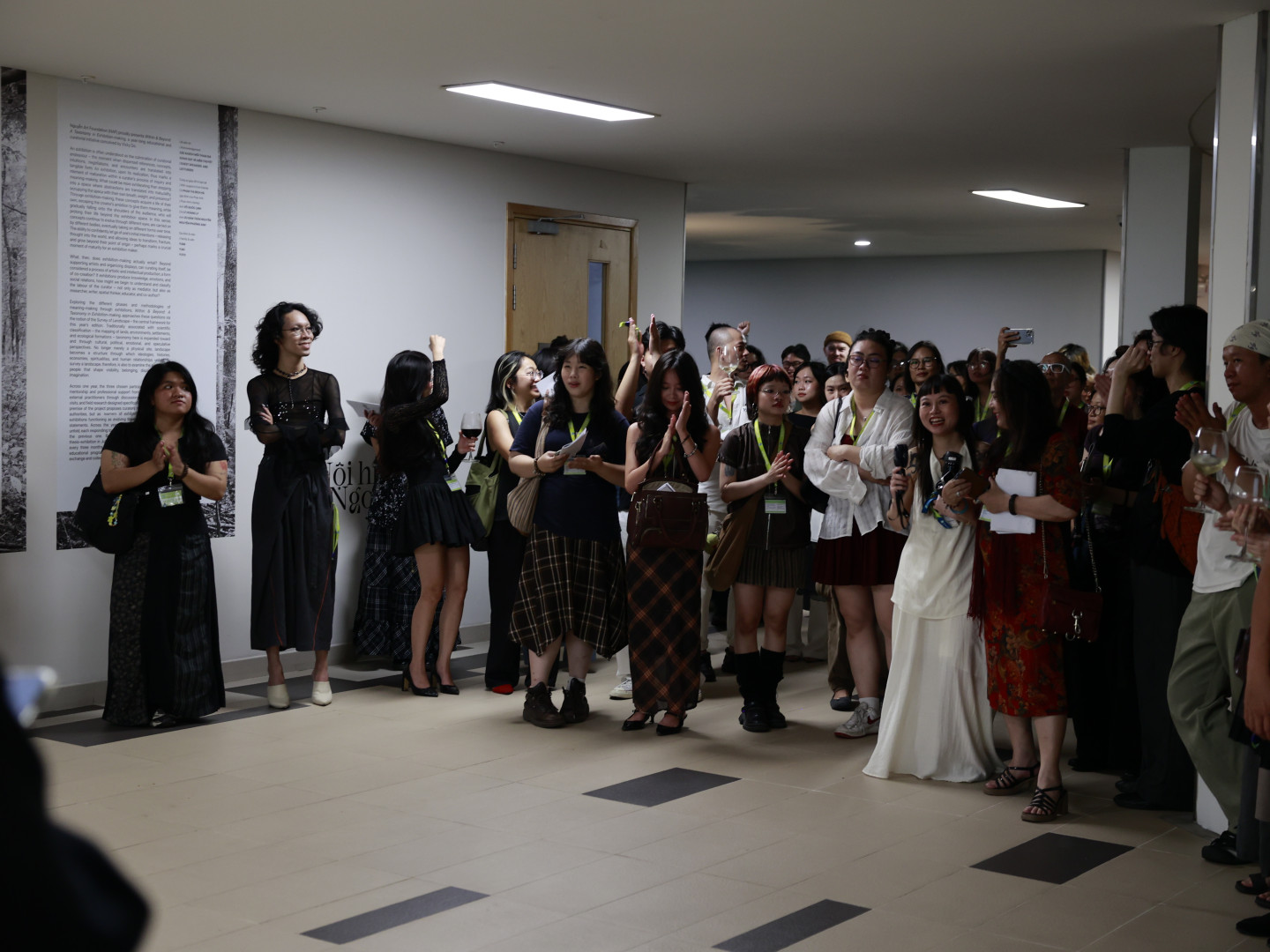
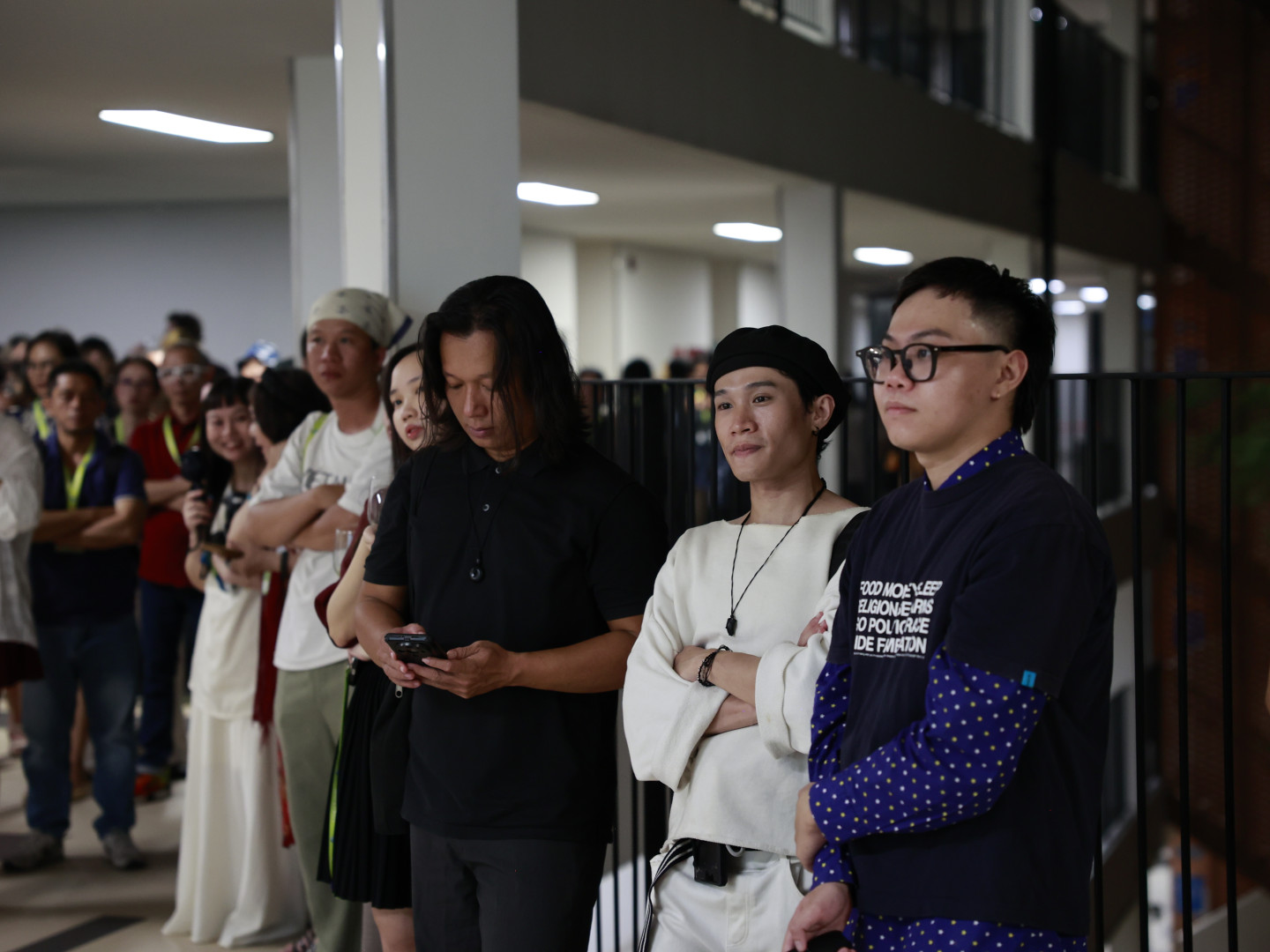
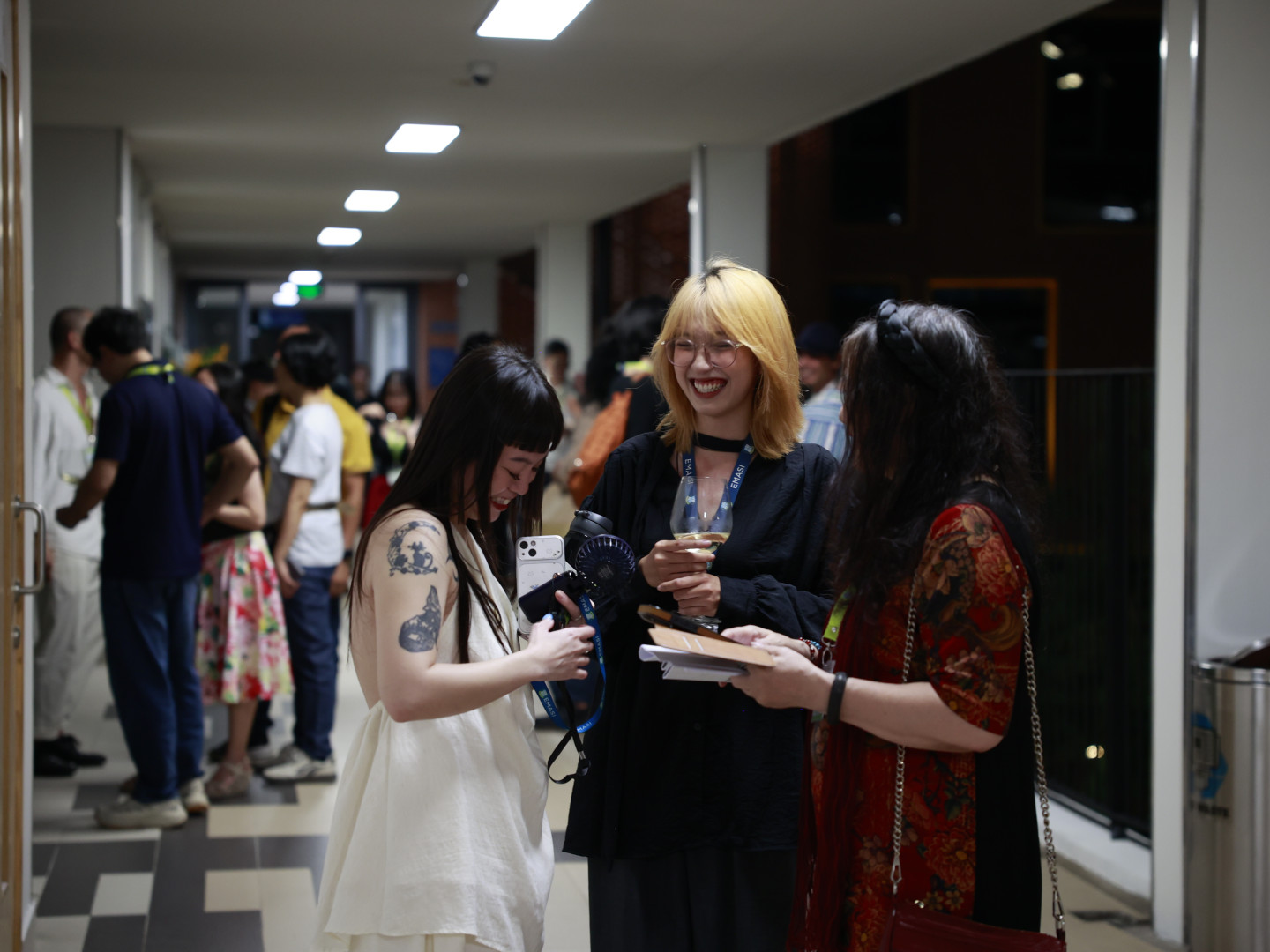
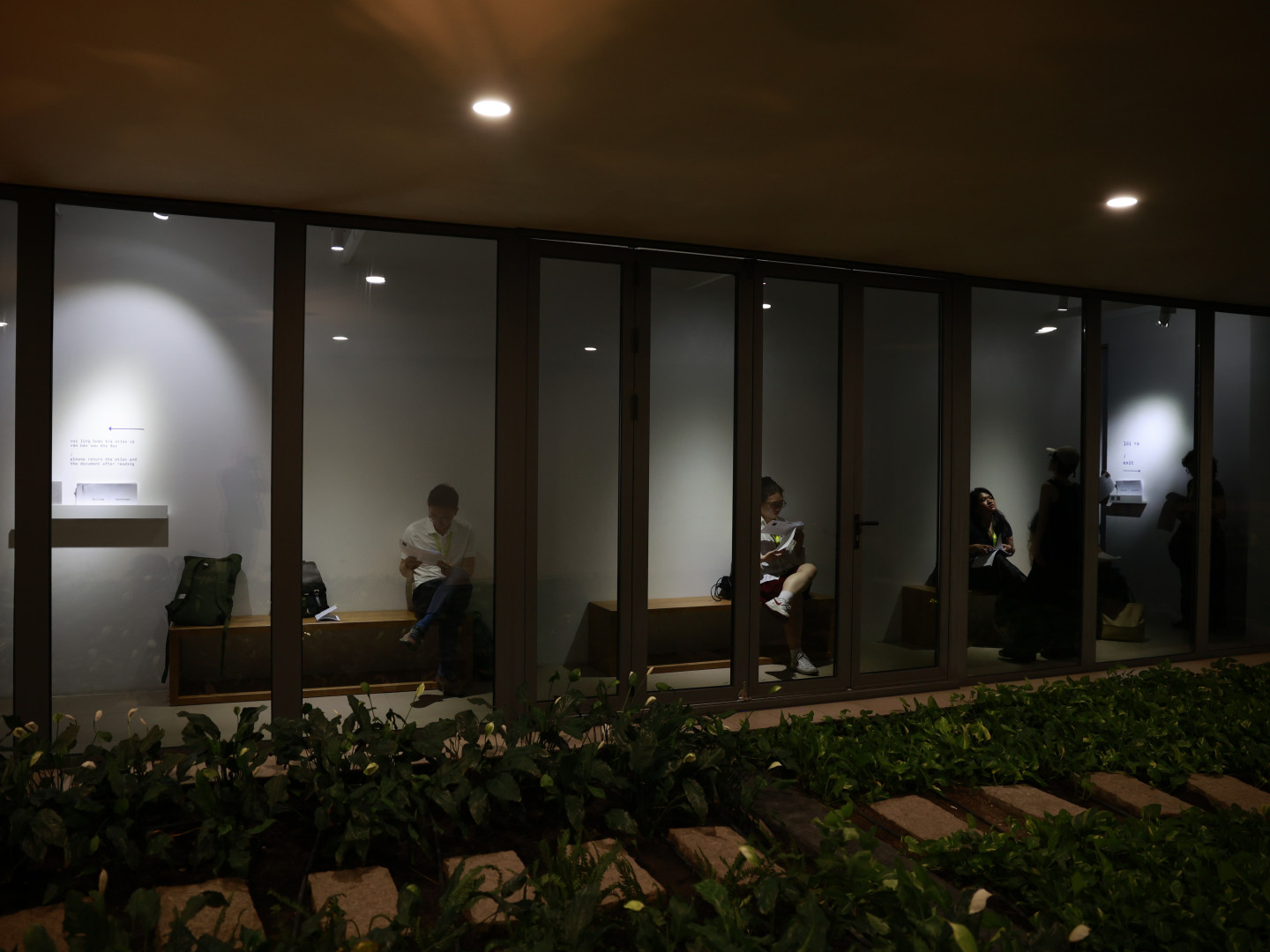

MẠCH NGẦM [COUNTER-PLACE]
17 July 2026
Curated by Vicky Do
EMASI Nam Long (former D.7)
Tuesday to Saturday | 10:00 AM – 04:00 PM
* We receive guests by appointment only via info@nguyenartfoundation.com, or our Facebook and Instagram.
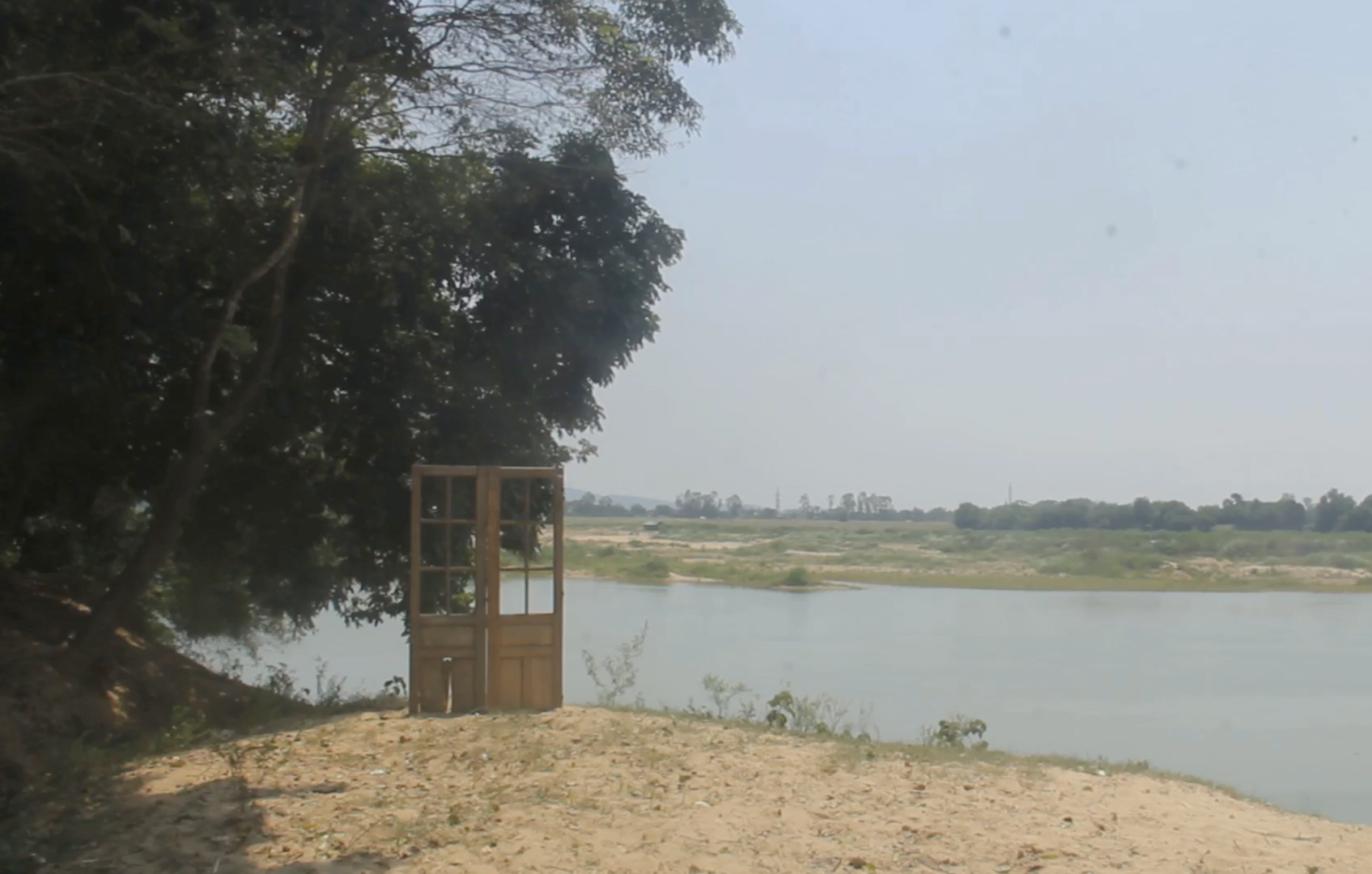
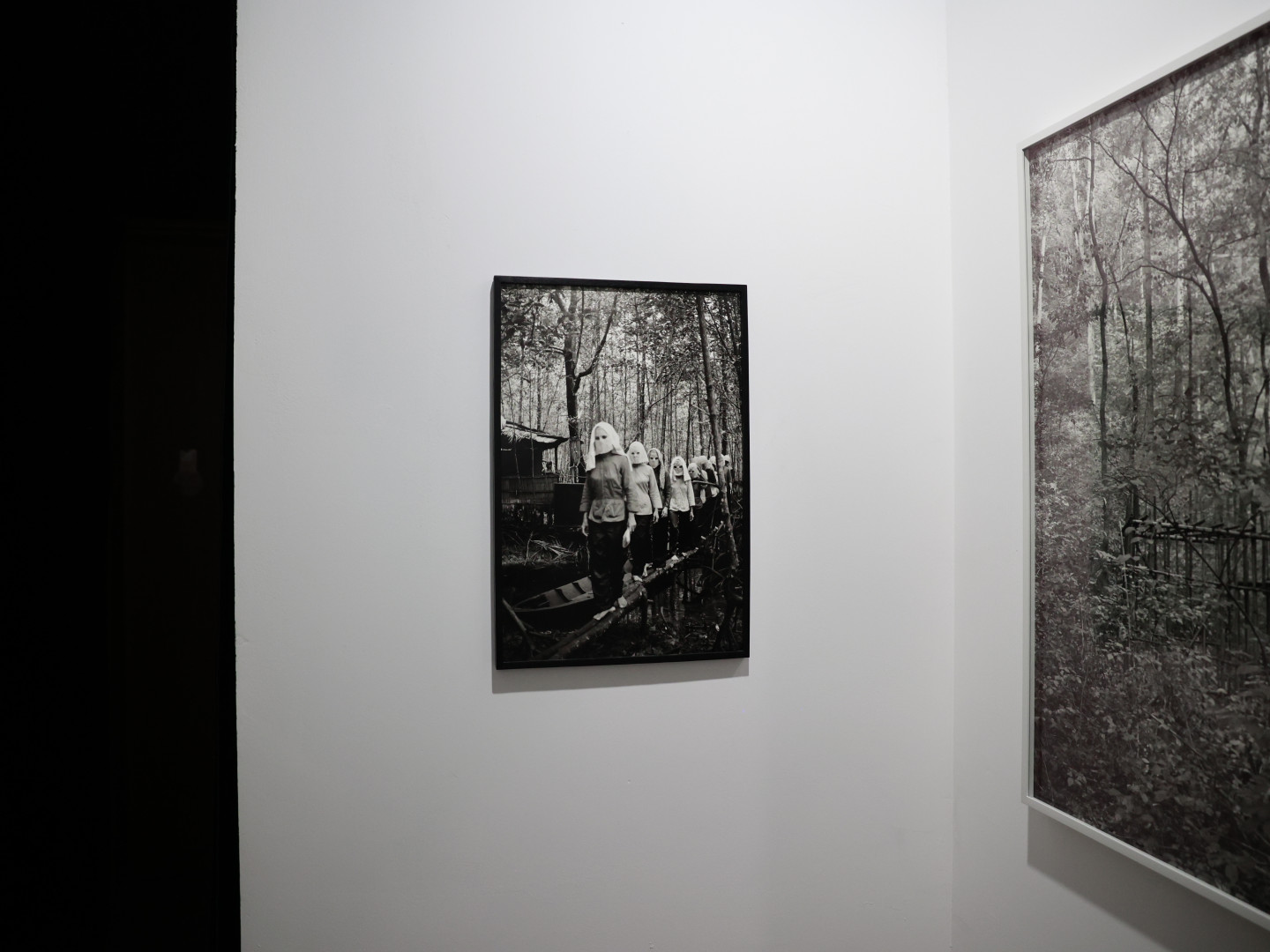
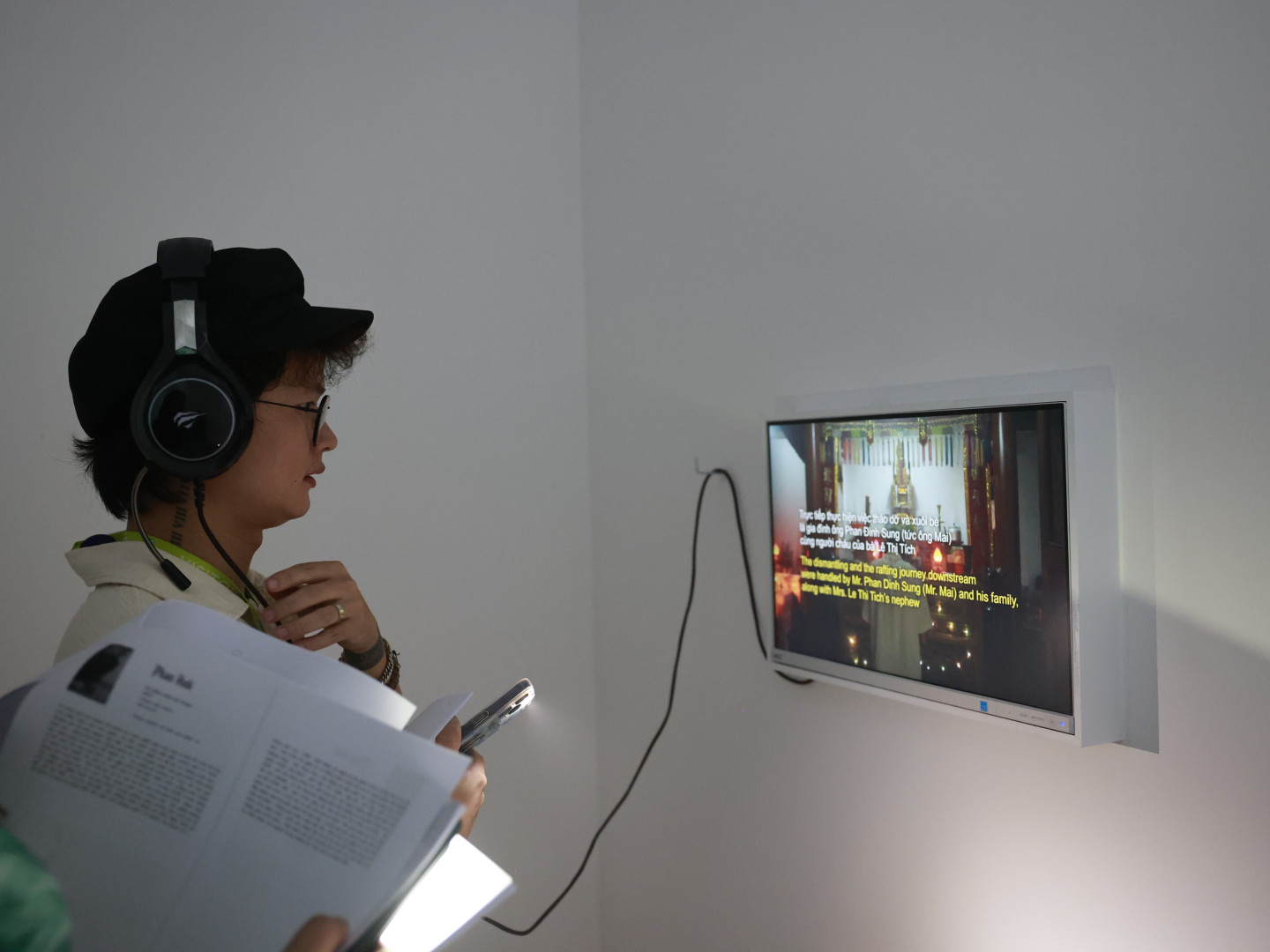
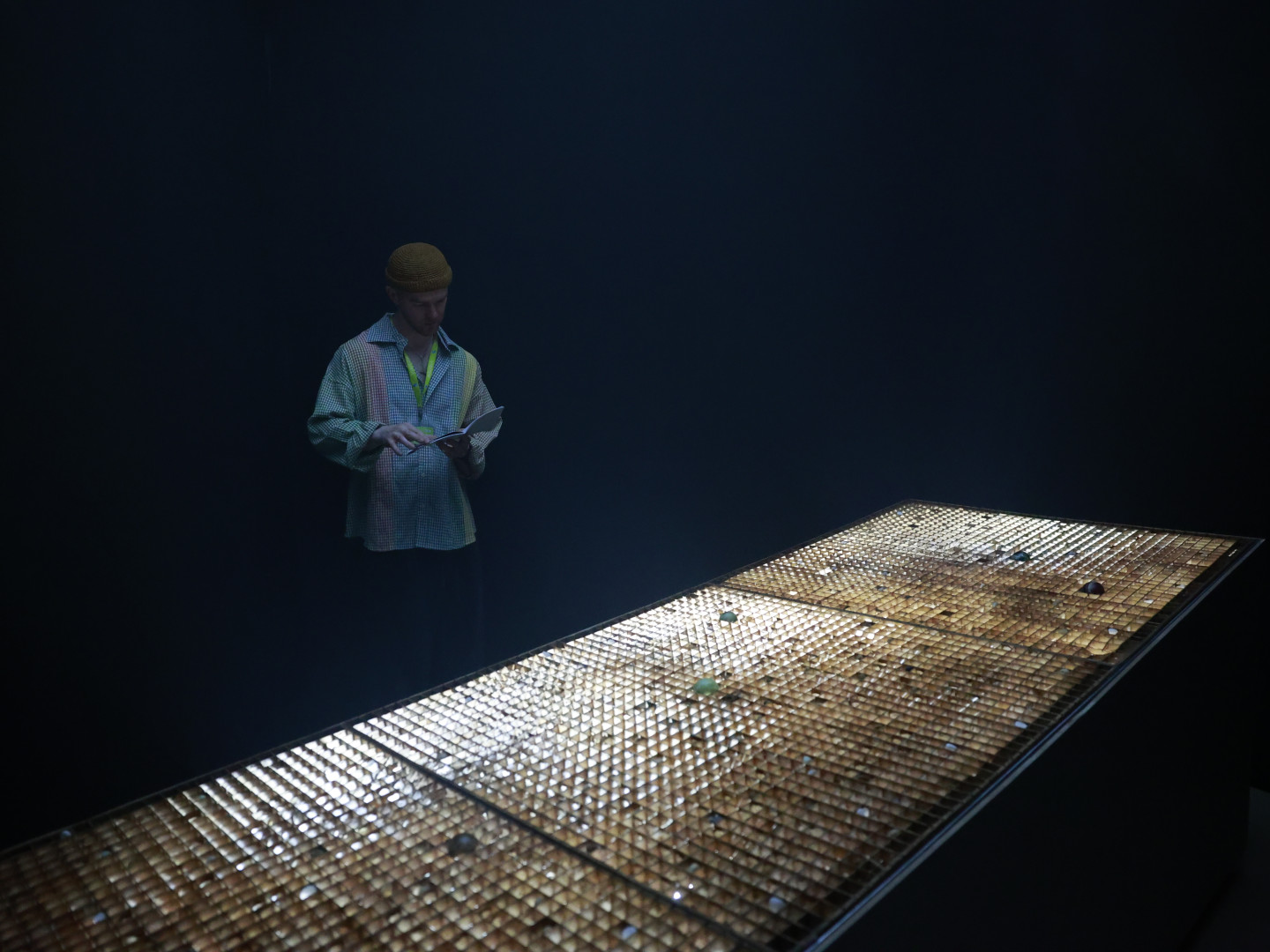
Nguyễn Art Foundation (NAF) proudly presents Mạch Ngầm [counter-place] a group exhibition featuring artists: Vo An Khanh, An-My Le, Truong Cong Tung, Ngoc Nau, Nguyen Trinh Thi, Nguyen Thi Thanh Mai, Tuan Mami, Nguyen Thai Tuan and Phan Anh.
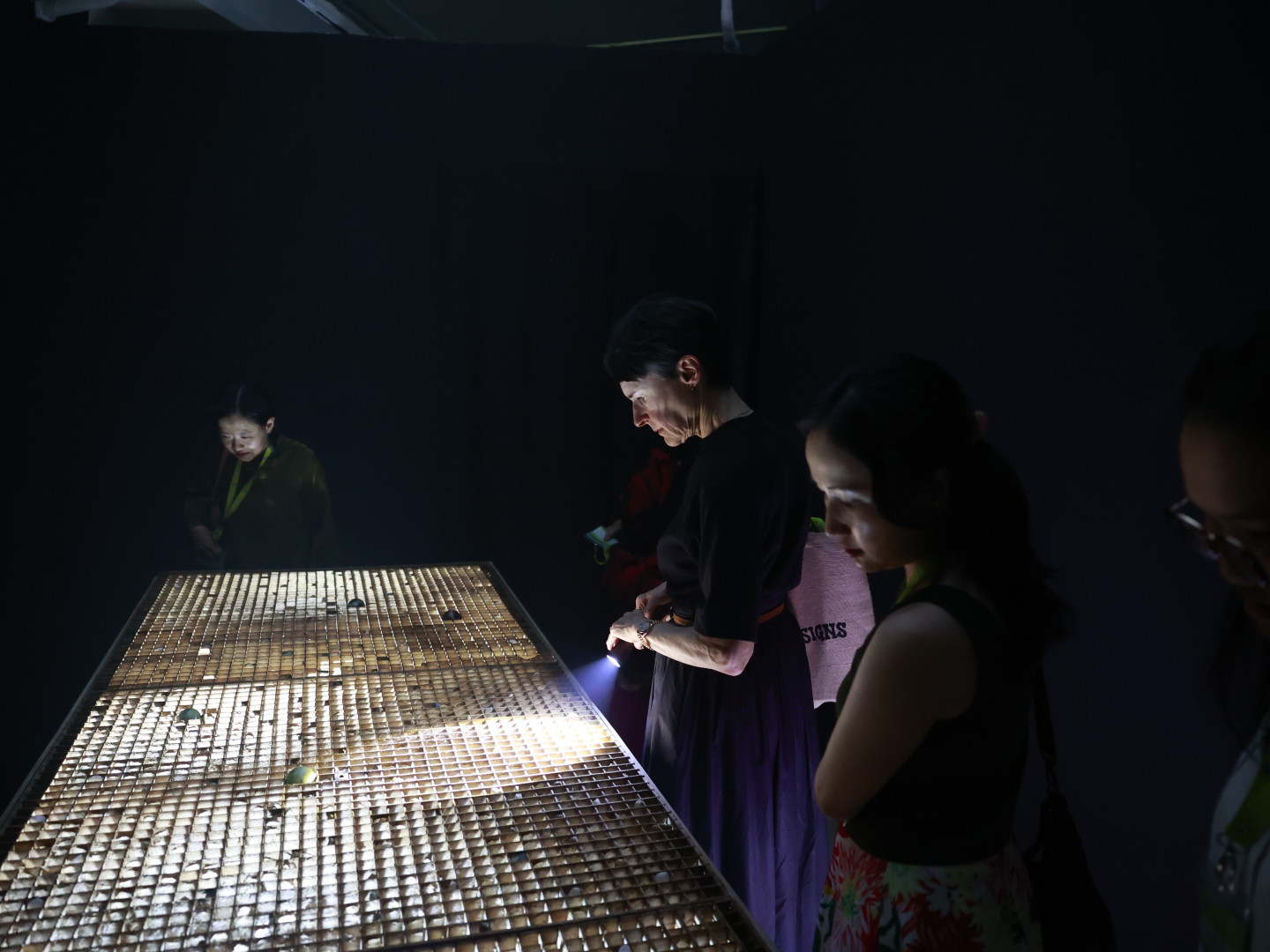
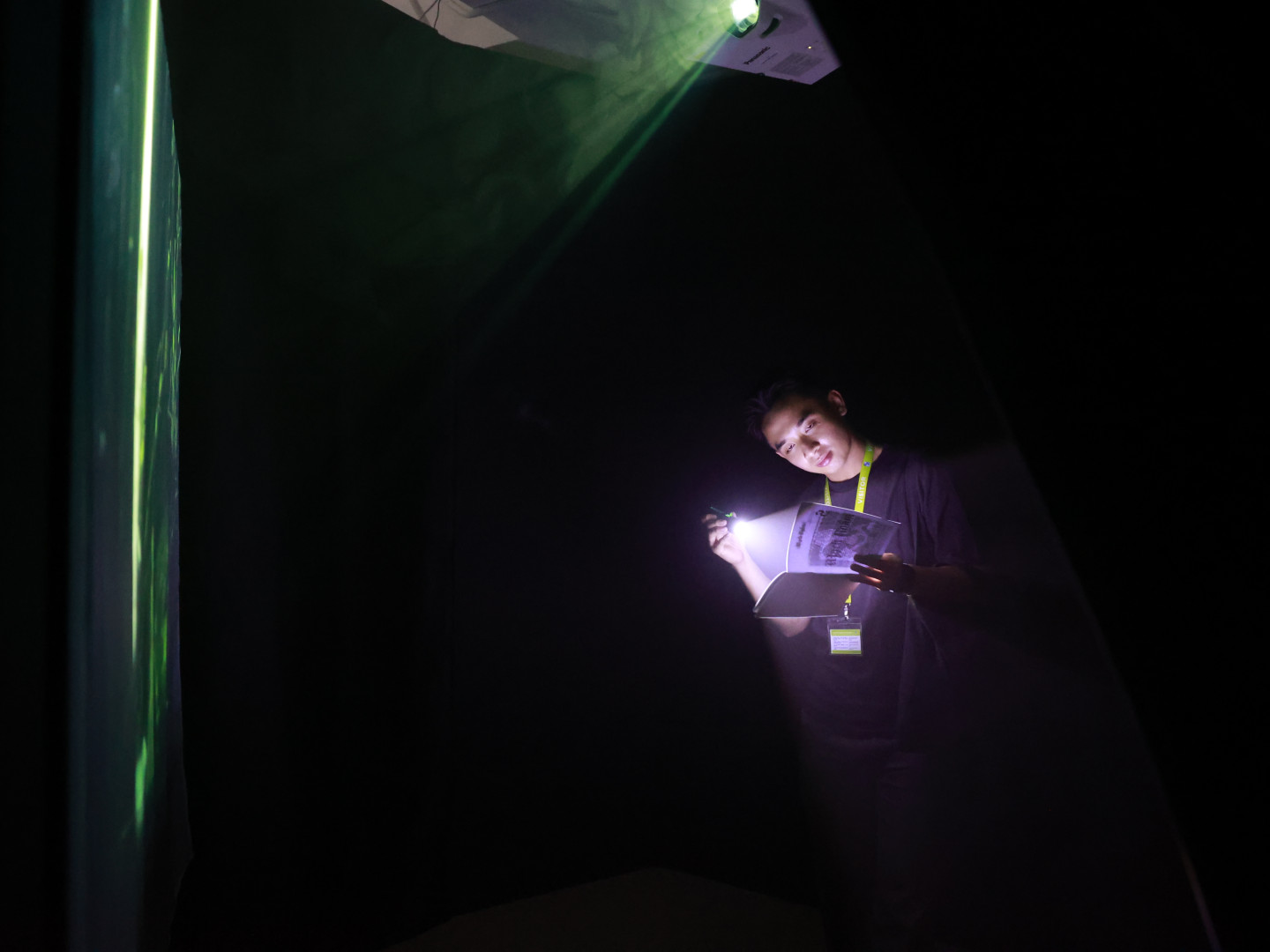
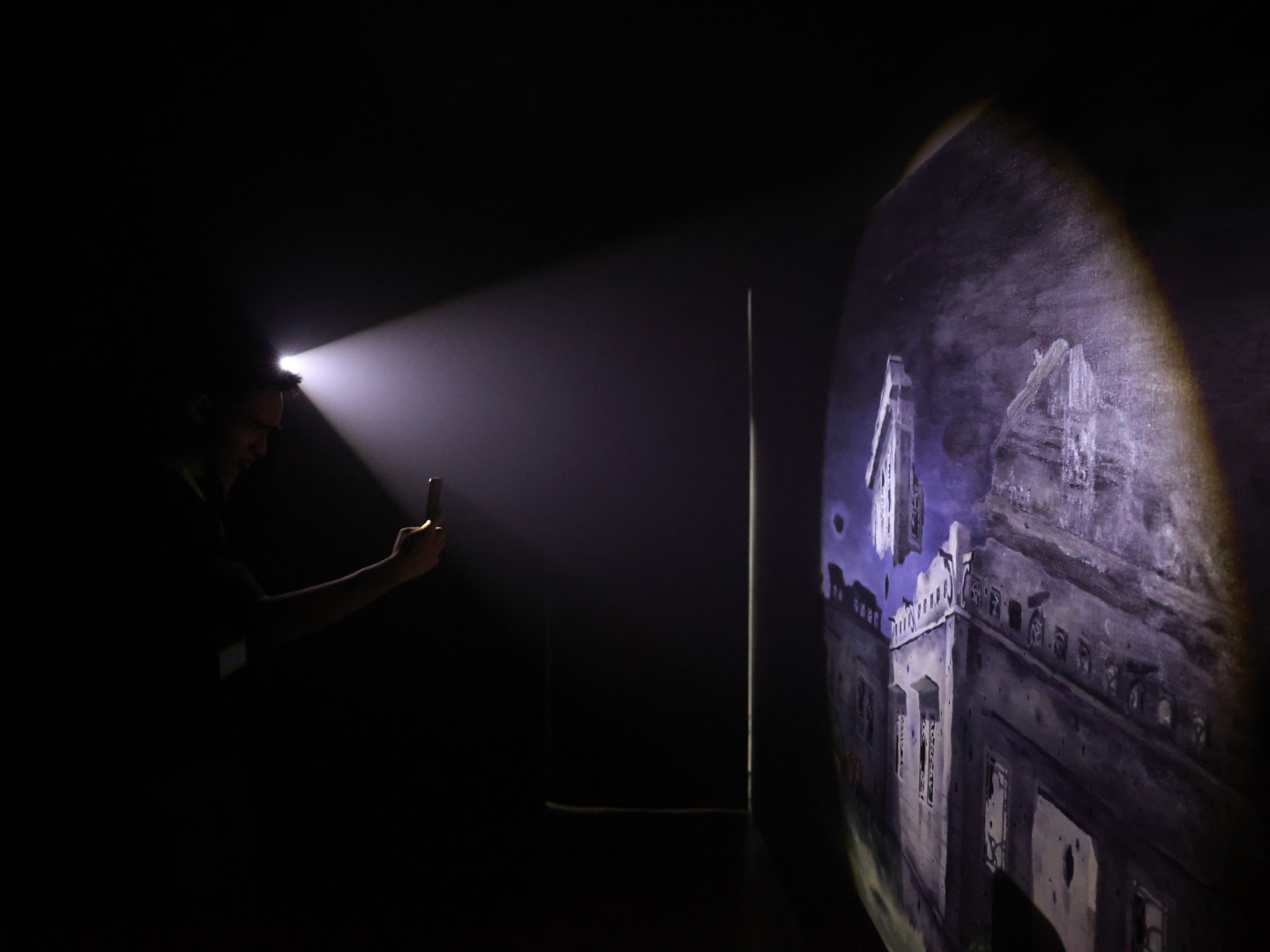
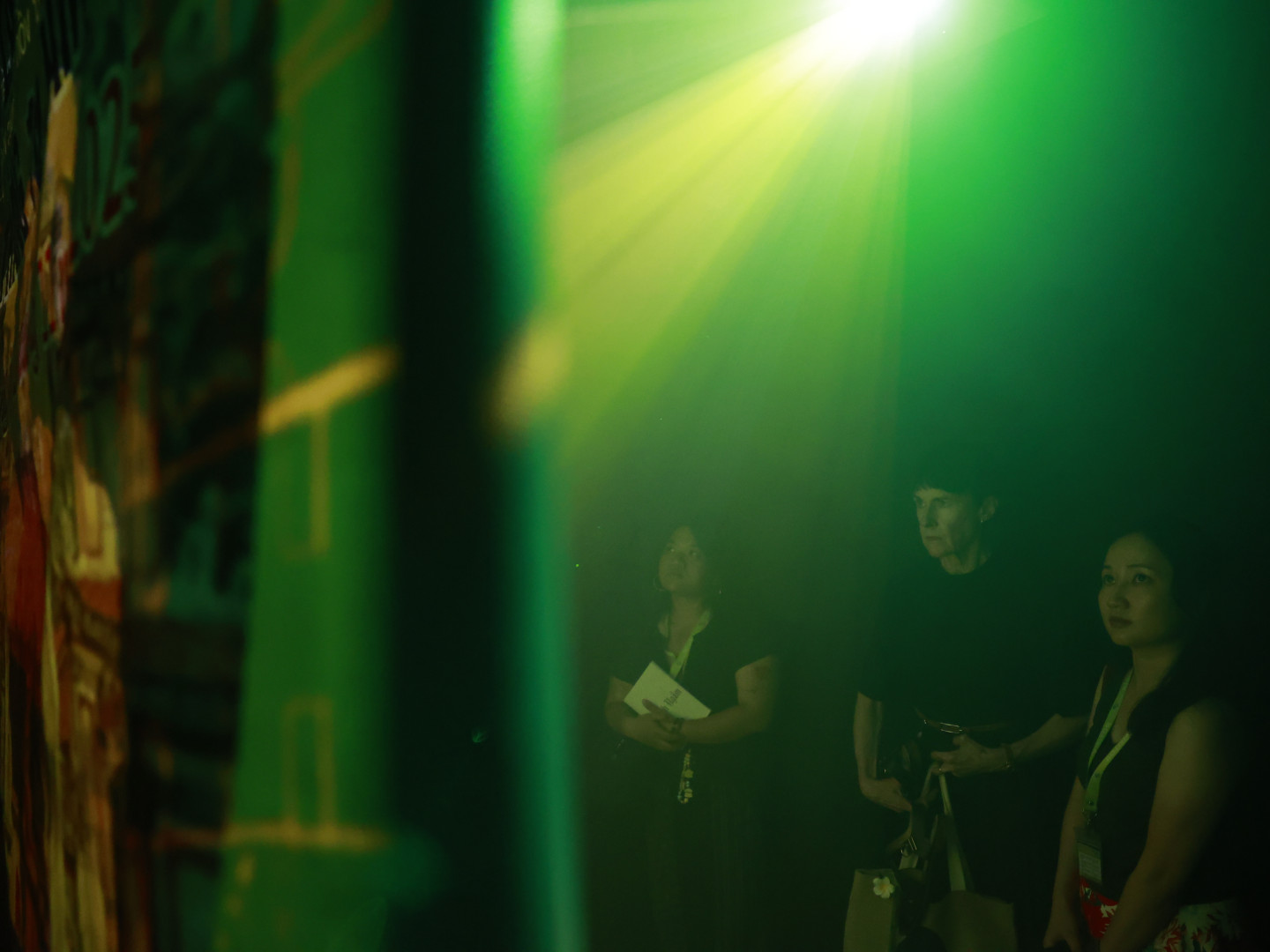
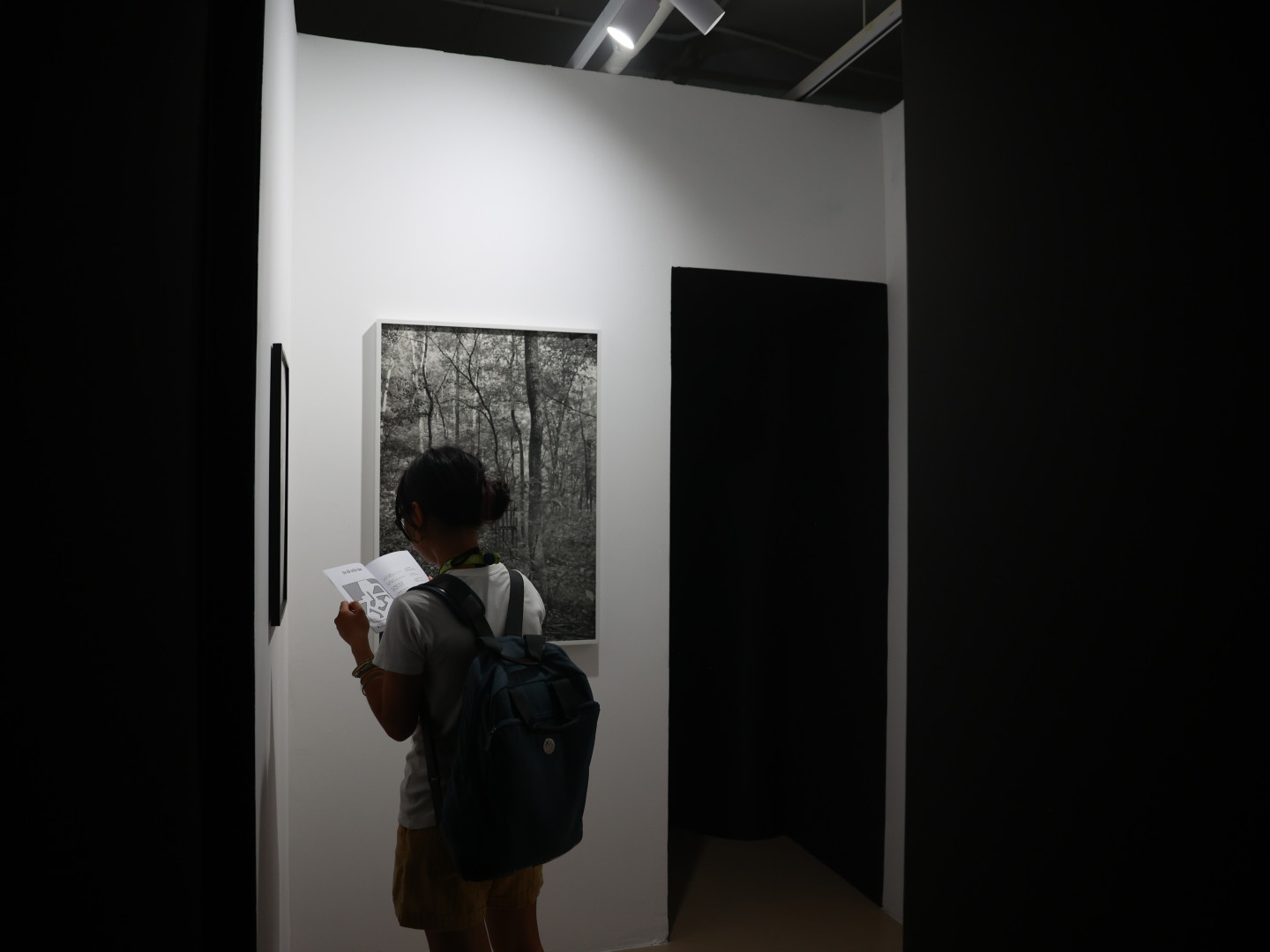
Curated by Vicky Do, the exhibition develops from an ongoing thesis conceived in the form of an Atlas. Taking the landscapes that underlie the artworks at its point of departure, the thesis draws upon concepts from geography and geology to reconsider history and human’s place within the environments that have witnessed the rise and fall of civilizations. Centering landscape not as a passive backdrop, this exhibition-as-a-thesis proposes an archaeological investigation into the counter-places that exist alongside and beneath officially recognized places, examining and analyzing them through the conceptual propositions embedded within the exhibited artworks and their installations. Contemporary art is a byproduct of the social and political conditions from which it emerges and, whether intentionally or not, invariably carries within it the discourses of its time. If territories are drawn by political institutions, then the map of counter-places rejects such definitions and impositions through texts – a medium capable of giving form to intangible abstractions. This Atlas can be seen as a form of fictional writing, drawn from the gaps between artworks, attempting to chase the unseen through the imaginative possibilities that fiction gifts us with.
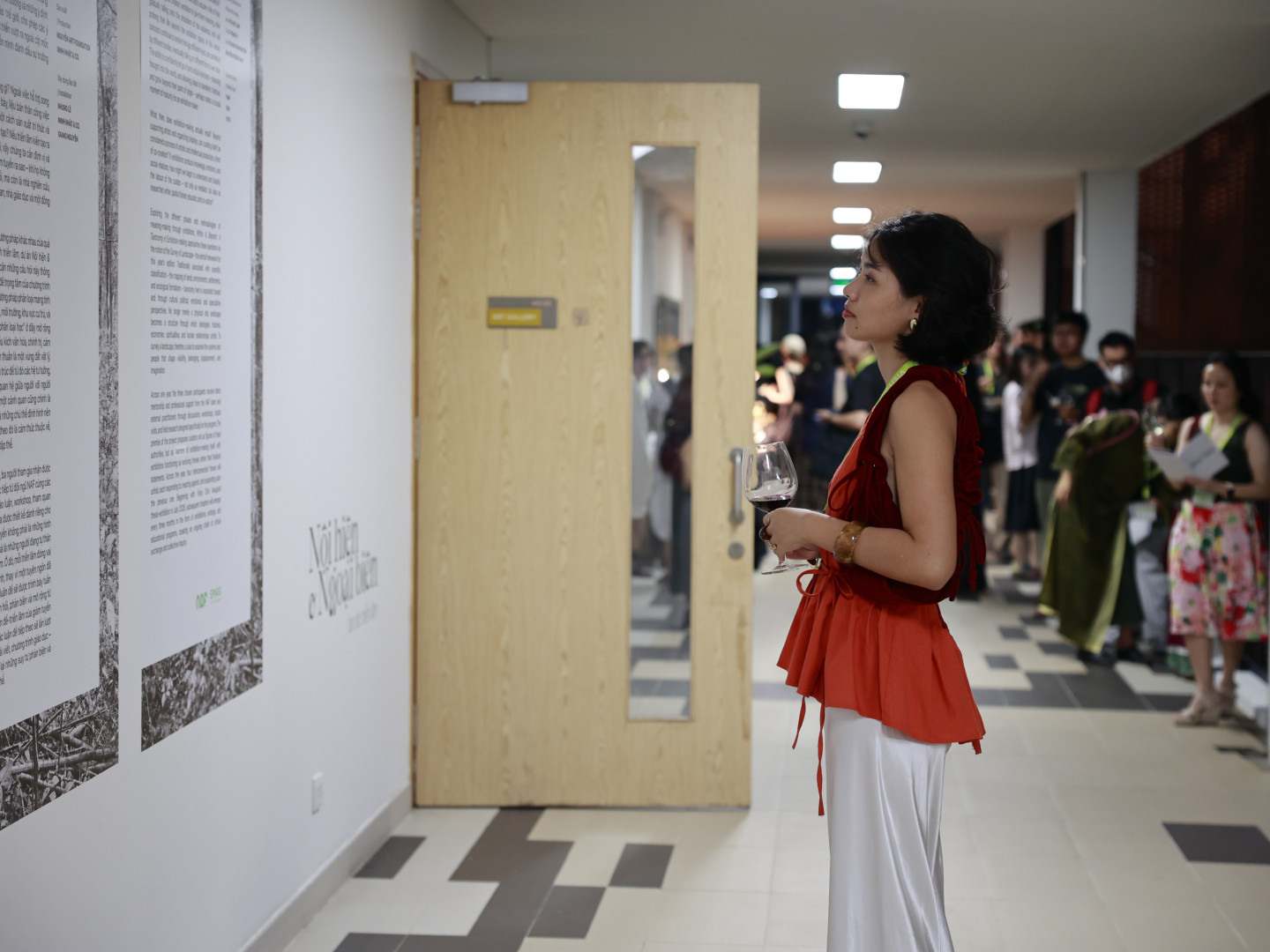
Mạch Ngầm [counter-place] is the first thesis presented as part of Within & Beyond: a Taxonomy in Exhibition-making – a year-long educational and curatorial initiative launched by Vicky Do. Exploring the different phases and methodologies of meaning-making through exhibitions, Within & Beyond: A Taxonomy in Exhibition-making approaches these questions via the notion of the Survey of Landscape – the central framework for this year’s edition. Traditionally associated with scientific classification – the mapping of lands, environments, settlements, and ecological formations – taxonomy here is expanded toward and through cultural, political, emotional, and speculative perspectives. No longer merely a physical site, landscape becomes a structure through which ideologies, histories, economies, spiritualities, and human relationships unfold. To survey a landscape, therefore, is also to examine the systems and people that shape visibility, belonging, displacement, and imagination.